
Introduction
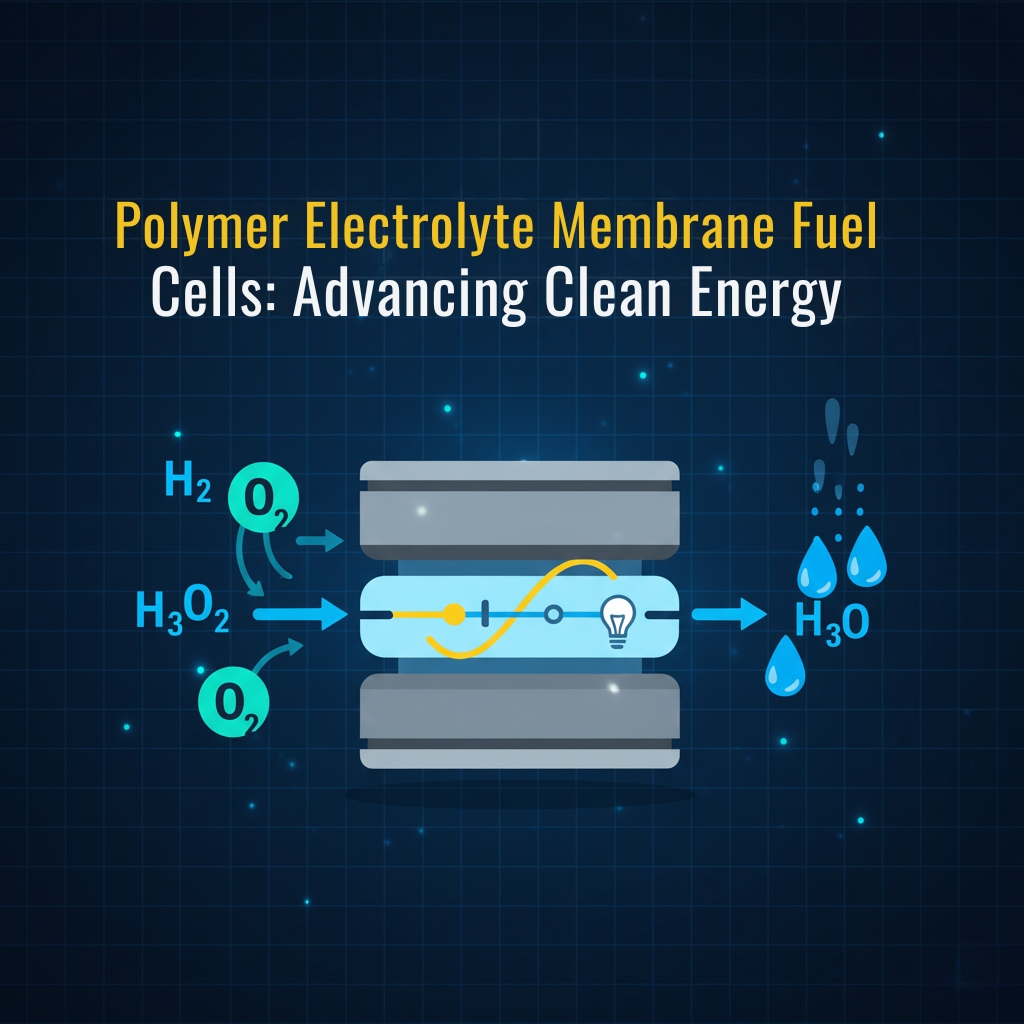
Imagine a world where electricity is generated with only water as a byproduct. This vision is rapidly becoming a reality thanks to Polymer Electrolyte Membrane Fuel Cells (PEMFCs). These devices represent a significant leap in clean energy technology, converting hydrogen and oxygen into power without combustion. This article explores the fundamental principles, components, and exciting future of this critical clean energy solution.
Key Takeaways
- Polymer Electrolyte Membrane Fuel Cells (PEMFCs) convert hydrogen and oxygen into electricity, producing only water and heat, making them a clean energy solution.
- The core components include the Polymer Electrolyte Membrane, catalyst layers, gas diffusion layers, and bipolar plates, forming a Membrane Electrode Assembly (MEA).
- PEMFCs offer high efficiency, low operating temperatures, high power density, and zero emissions, making them suitable for automotive fuel cell systems and portable devices.
- Challenges include high costs due to platinum catalysts, durability issues, the need for high-purity hydrogen, and a lack of widespread hydrogen infrastructure.
- Ongoing fuel cell research and development focuses on cost reduction, enhanced durability with advanced PEM materials, and exploring high-temperature designs for broader application.
Understanding Polymer Electrolyte Membrane Fuel Cells
What are Polymer Electrolyte Membrane Fuel Cells?
Polymer Electrolyte Membrane Fuel Cells, also known as Proton Exchange Membrane (PxM) Fuel Cells, are electrochemical devices. They convert the chemical energy of hydrogen and oxygen directly into electrical energy. This process produces only water and heat as by-products, making them a remarkably clean power source.
The underlying hydrogen fuel cell technology offers high efficiency and minimal environmental impact. This makes them a highly promising technology for various applications, from transportation to stationary power generation across the USA.
How do Polymer Electrolyte Membrane Fuel Cells Work?
The operation of a PEM fuel cell involves a precise sequence of electrochemical reactions. These reactions facilitate the continuous generation of electricity. Understanding each step reveals the ingenuity of their design.
The Anode Reaction: Hydrogen Oxidation
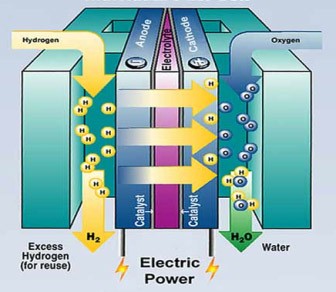
Hydrogen gas (H₂) is fed to the anode, which contains a catalyst, typically platinum. Here, the hydrogen molecules dissociate into positively charged protons (H⁺) and electrons (e⁻). The chemical reaction at this electrode is 2H₂ → 4H⁺ + 4e⁻.
Proton Movement through the Membrane
The core component, the polymer electrolyte membrane, is specifically engineered. It permits only the protons to pass through its structure to the cathode. Critically, this membrane acts as an electrical insulator, preventing electrons and reactant gases from crossing directly.
Electron Flow and Power Generation
Since electrons cannot traverse the membrane, they are compelled to travel through an external electrical circuit. This journey to the cathode generates an electric current. This current can then power various electrical devices.
The Cathode Reaction: Oxygen Reduction
Oxygen (O₂), usually drawn from the air, is supplied to the cathode. At this location, oxygen molecules react with the protons that have crossed the membrane and the electrons arriving from the external circuit. This combination forms water (H₂O).
The Overall Electrochemical Process
The complete electrochemical process consumes hydrogen and oxygen. It results in the production of electricity, heat, and water. The overall reaction is 2H₂ + O₂ → 2H₂O + Electrical Energy + Heat. This efficient conversion is why PEM fuel cells are so appealing.
Key Components of PEM Fuel Cells
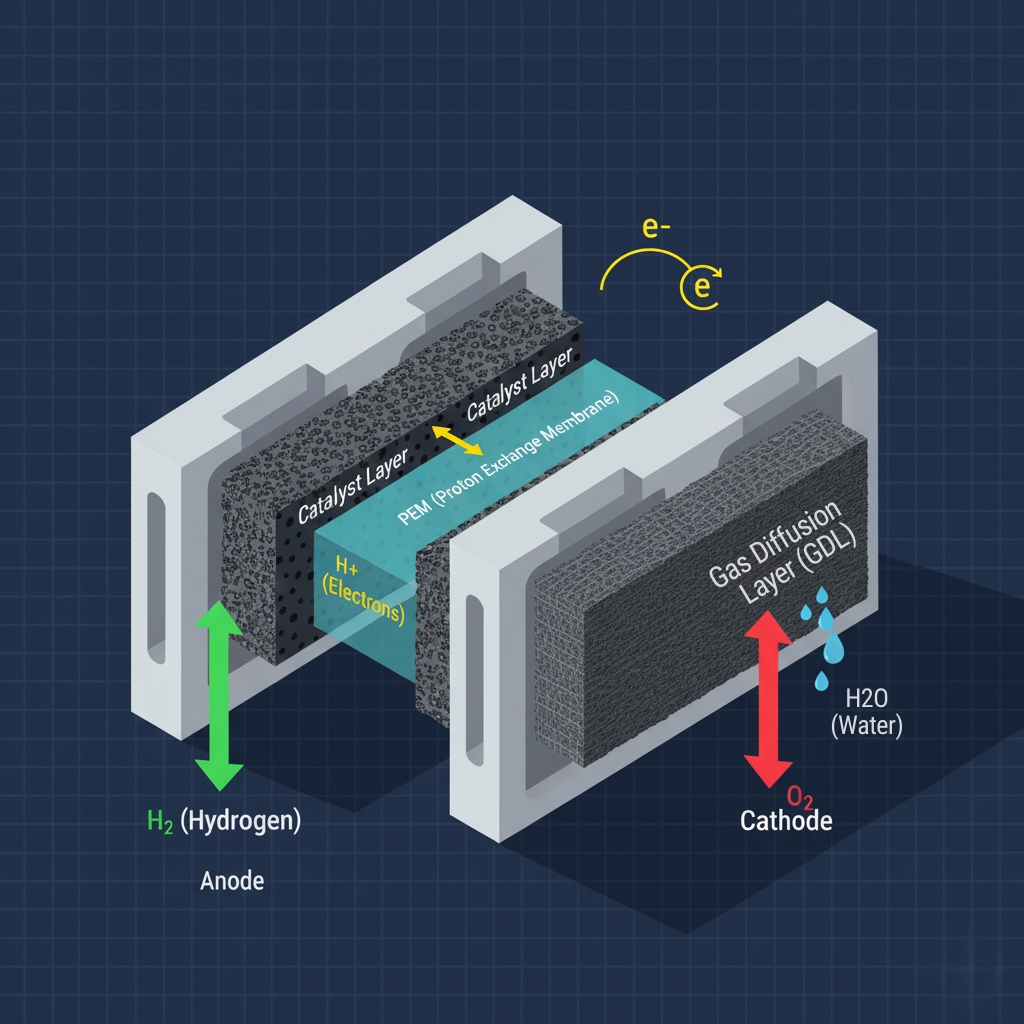
A Polymer Electrolyte Membrane Fuel Cell is an intricate system built from several specialized parts. Each component plays a vital role in the cell’s operation and efficiency. The heart of the system is the Membrane Electrode Assembly (MEA).
What Makes Up a Membrane Electrode Assembly (MEA)?
The MEA is a layered structure where the critical electrochemical reactions occur. Its design is fundamental to the performance of the fuel cell. Understanding its layers is key to grasping fuel cell functionality.
The Polymer Electrolyte Membrane (PEM)
This thin, solid polymer film is central to the MEA. It is often made from ionomers like Nafion membrane. Its primary role is proton conductivity membrane, allowing H⁺ ions to pass while separating the anode and cathode gases. Maintaining proper hydration is essential for its function.
Catalyst Layers for Efficient Reactions
The anode and cathode electrodes are coated with a catalyst layer fuel cells. This layer typically contains platinum or a platinum alloy. It facilitates the splitting of hydrogen at the anode and the combination of oxygen, protons, and electrons at the cathode. These electrocatalysts for PEMFC are vital for reaction kinetics.
Gas Diffusion Layers (GDLs)
Positioned on either side of the catalyst layers, GDLs are made from porous carbon-based materials. They ensure an even distribution of reactant gases (hydrogen and oxygen) to the electrodes. They also efficiently manage the water produced during the reaction, preventing flooding or drying.
The Role of Bipolar Plates in a Fuel Cell Stack
Bipolar plates fuel cell components sandwich the MEA and GDLs. They perform multiple functions within a fuel cell stack. These include conducting electricity between cells and separating individual cells in a stack. They also feature integrated channels for managing the flow of gases and heat, ensuring optimal fuel cell performance.
Advantages of Polymer Electrolyte Membrane Fuel Cells
Polymer Electrolyte Membrane Fuel Cells offer numerous benefits, positioning them as a leading clean energy technology. Their attributes make them highly suitable for a variety of demanding applications. These advantages drive ongoing research and adoption efforts.
Why are PEMFCs a Promising Clean Energy Solution?
The unique characteristics of PEMFCs provide compelling reasons for their development and deployment. They address many modern energy challenges. From environmental impact to operational efficiency, their benefits are substantial.
High Efficiency and Low Operating Temperature
PEMFCs can achieve electrical efficiencies ranging from 40% to 60%. When waste heat is utilized in combined heat and power (CHP) systems, this can be even higher. Furthermore, low temperature fuel cell operation (typically 50°C to 100°C) allows for rapid startup. This includes quick activation even from sub-freezing conditions, like those experienced in northern USA states.
High Power Density and Zero Emissions
Their compact design and high power output translate to a high power density. This makes them exceptionally well-suited for mobile applications where space and weight are critical. The only by-products are water and heat, ensuring zero emissions. This makes them an environmentally friendly alternative to traditional combustion engines.
Quiet Operation and Fast Response Time
With no major moving parts, Polymer Electrolyte Membrane Fuel Cells systems operate very quietly. This is a significant advantage in residential or sensitive environments. They also boast a fast response time, quickly adjusting their power output to meet fluctuating demands. This flexibility is beneficial for various power needs.
Challenges and Disadvantages of PEM Fuel Cells
Despite their many advantages, Polymer Electrolyte Membrane Fuel Cells face several hurdles. These challenges must be addressed for widespread adoption and commercialization. Overcoming these limitations is a major focus of current engineering efforts.
What Obstacles Hinder Widespread PEMFC Adoption?
Several factors contribute to the slow pace of PEMFC integration into the mainstream market. These include material costs, infrastructure needs, and operational complexities. Each area presents a distinct engineering challenge.
Addressing High Costs and Durability Issues
The reliance on expensive materials, especially platinum as a catalyst and specialized polymer electrolyte materials (like Nafion), significantly increases the overall cost. Additionally, the proton exchange membrane can degrade over time, particularly under high stress. This impacts the cell’s lifespan and contributes to fuel cell durability issues. Improving fuel cell degradation mechanisms is a key research area.
The Need for High-Purity Hydrogen and Infrastructure
PEM fuel cells demand high-purity hydrogen fuel. Impurities, such as carbon monoxide, can ‘poison’ the platinum catalyst, severely reducing efficiency. Furthermore, a lack of widespread hydrogen production, storage, and refueling infrastructure remains a significant challenge, particularly for a vast country like the USA.
Water Management and Fuel Flexibility Concerns
Maintaining proper hydration of the membrane is crucial for optimal performance, a complex task in varying environmental conditions. This water management in fuel cells is a delicate balance. Due to their low operating temperature, PEMFCs cannot directly use hydrocarbon fuels like natural gas. These fuels require an additional, costly reforming process to convert them to hydrogen, adding complexity and expense.
Applications of Polymer Electrolyte Membrane Fuel Cells
Polymer Electrolyte Membrane Fuel Cells are considered a leading candidate for diverse power generation needs. Their versatility allows for deployment in various sectors. From powering vehicles to providing backup energy, their applications are expanding.
Where are PEM Fuel Cells Being Used Today?
The unique characteristics of PEMFCs make them suitable for a broad spectrum of uses. Their clean operation and efficient power delivery are highly valued. These applications highlight the practical utility of this technology.
Automotive Fuel Cell Systems
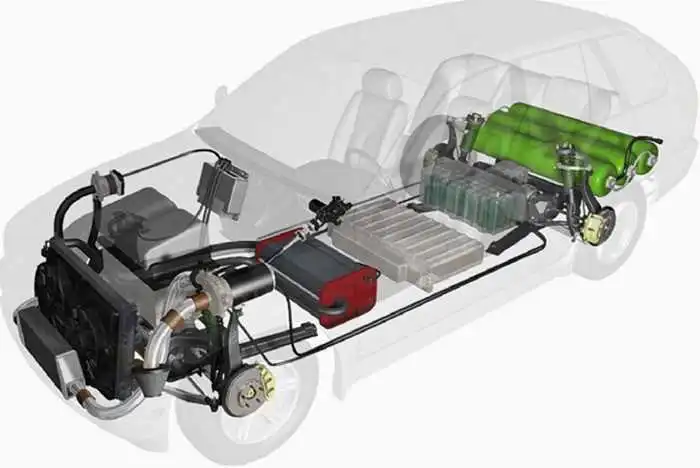
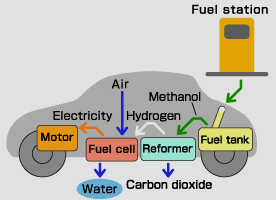
PEM fuel cells are primarily developed for transportation applications. This includes vehicles such as cars, buses, trucks, trains, passenger ferries, and even short-haul aircraft. They offer a clean alternative to fossil fuel engines, driving the development of fuel cell electric vehicles (FCEV).
Stationary Fuel Cell Power Solutions
These cells are also used for reliable backup power systems in critical facilities. Examples include data centers, hospitals, and telecommunication towers. They are also explored for combined heat and power (CHP) systems in buildings. Stationary fuel cell power systems provide resilient energy infrastructure.
Portable Fuel Cell Devices
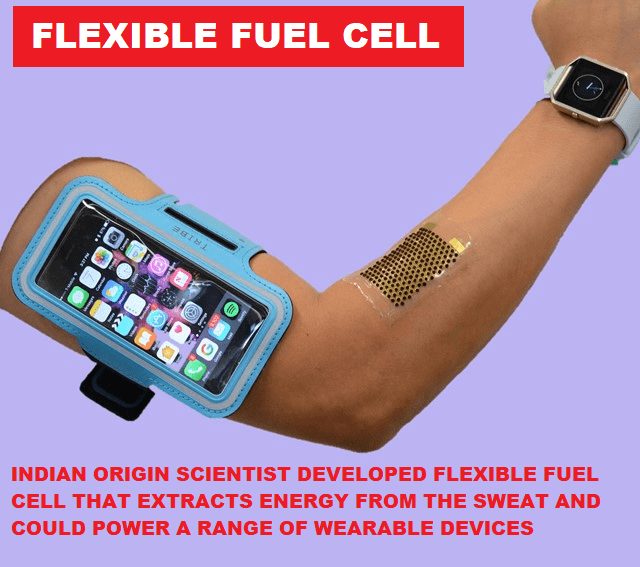
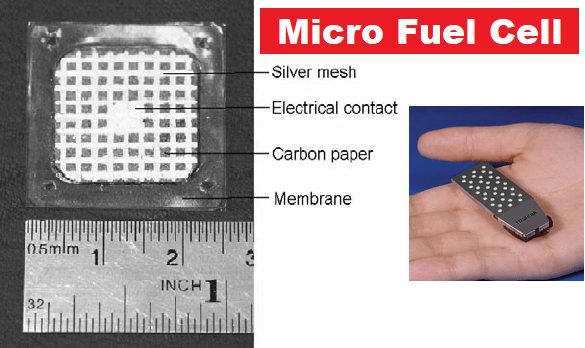
PEMFCs are well-suited for smaller electronics. This includes laptops, mobile phones, battery chargers, and unmanned aerial vehicles (drones). Their lightweight nature and extended operational times are particularly beneficial in portable fuel cell devices. This offers greater freedom for users.
Essential Tools for Fuel Cell Engineering Design
Developing advanced Polymer Electrolyte Membrane Fuel Cells requires sophisticated engineering tools and analytical methods. Engineers designing these complex systems often rely on computational techniques to simulate performance and optimize designs. Understanding structural and thermal behavior is paramount for creating durable and efficient fuel cell components.

Advancements and the Future of Polymer Electrolyte Membrane Fuel Cells
Ongoing fuel cell research and development efforts are continuously pushing the boundaries of Polymer Electrolyte Membrane Fuel Cells. These innovations aim to overcome current limitations. The goal is to make PEMFCs more efficient, durable, and cost-effective for widespread use.
What is the Latest in Fuel Cell Research and Development?
Researchers are exploring various avenues to enhance PEMFC technology. This includes material science, operational optimization, and new architectural designs. These advancements are crucial for the future of clean energy.
Strategies for Cost Reduction PEM Fuel Cells
Significant efforts focus on reducing the amount of platinum needed in catalysts. Scientists are also actively seeking less expensive alternative catalyst materials and membrane components. These strategies are vital for making PEM fuel cells economically viable and competitive with traditional power sources.
Enhancing Durability and Exploring Advanced PEM Materials
New materials and designs are under investigation to improve the long-term stability and resilience of the polymer membrane and other components. This includes the development of advanced PEM materials. These innovations address fuel cell degradation mechanisms and extend operational lifespan. Researchers are also exploring alternative fuel cell membranes to boost performance and lower costs.
The Emergence of High-Temperature PEMFCs
High-Temperature PEMFCs (HT-PEMFCs) operate at elevated temperatures (120-200°C). These cells offer several benefits, such as simplified water management in fuel cells and improved tolerance to fuel impurities. They also allow for better integration of waste heat, despite challenges like phosphoric acid leaching. This represents a significant step forward for the technology.
The Role of Green Hydrogen Fuel Cells in a Sustainable Economy
The future of Polymer Electrolyte Membrane Fuel Cells is closely tied to the hydrogen economy fuel cells. The focus is on producing hydrogen through renewable energy sources, leading to green hydrogen fuel cells. This integration with renewable energy fuel cell integration ensures a truly sustainable energy cycle. Continuous innovations make PEMFCs more efficient and cost-effective, driving fuel cell commercialization for a low-carbon future.
Conclusion
Polymer Electrolyte Membrane Fuel Cells stand as a pivotal technology in the global transition towards a sustainable, low-carbon economy. Their ability to generate clean electricity with minimal environmental impact makes them invaluable. While challenges such as cost and infrastructure persist, continuous innovation is making Polymer Electrolyte Membrane Fuel Cells more efficient, durable, and accessible. As research progresses, these fuel cells are poised to play an increasingly significant role in powering our future, from vehicles to homes, across the USA and worldwide.

Frequently Asked Questions
What is the main function of a Polymer Electrolyte Membrane Fuel Cell?
The main function of a Polymer Electrolyte Membrane Fuel Cell is to convert the chemical energy stored in hydrogen and oxygen directly into electrical energy. This process generates electricity, heat, and water, without any harmful emissions, making it a clean power source.
Why are Polymer Electrolyte Membrane Fuel Cells considered a clean energy solution?
Polymer Electrolyte Membrane Fuel Cells are considered a clean energy solution because their only by-products are water and heat. Unlike fossil fuel combustion, they produce no greenhouse gases or pollutants. This makes Polymer Electrolyte Membrane Fuel Cells an environmentally friendly alternative for various power needs.
What are the primary challenges facing Polymer Electrolyte Membrane Fuel Cells today?
Primary challenges for Polymer Electrolyte Membrane Fuel Cells include the high cost of components, particularly platinum catalysts, and durability issues with the membrane. There is also a significant need for widespread hydrogen infrastructure and high-purity hydrogen fuel. Addressing these helps advance Polymer Electrolyte Membrane Fuel Cells commercialization.
How do Polymer Electrolyte Membrane Fuel Cells contribute to the hydrogen economy?
Polymer Electrolyte Membrane Fuel Cells are a cornerstone of the hydrogen economy by providing an efficient way to convert hydrogen fuel into usable electricity. They facilitate the use of green hydrogen, produced from renewable sources, for transportation, stationary power, and portable devices, driving the adoption of hydrogen as a clean energy carrier.
