Table of Contents
- 1. What Is an Industrial Robotic Arm?
- 2. Why Are Robotic Arms So Important Today?
- 3. How Does a Robotic Arm Work?
- 4. What Are the Different Types of Robotic Arms?
- 5. What Are the Top 5 Benefits of Using a Robot?
- 6. How Do Robotic Arms Improve Workplace Safety?
- 7. Are Robotic Arms a Good Financial Investment?
- 8. Where Are Robotic Arms Used Today?
- 9. Robots in the Automotive Industry: A Deep Dive
- 10. Robots in the Electronics Industry: Why Precision Matters
- 11. How Are Robots Used in Food and Beverage?
- 12. Robots in the Medical Sector: The Rise of Med-Tech
- 13. What About Robots for Small Businesses?
- 14. How to Choose a Robotic Arm: A 5-Step Checklist
- 15. What Are the Best Robotic Arms for Beginners?
- 16. The Best Brands of Industrial Robotic Arms
- 17. What Is a Collaborative Robot (Cobot)?
- 18. How Will AI Change Robotic Arms?
- 19. What Is “Robots as a Service” (RaaS)?
- 20. What Are the Biggest Challenges in Automation?
- 21. How Are Robotic Arms Programmed?
- 22. Can I Buy a Used Industrial Robot?
- 23. The Importance of Maintenance and Support
- 24. How to Integrate a Robotic Arm into Your Factory
- 25. The Components of a Full Robotic Workcell
- 26. Safety Standards and Regulations
- 27. End-of-Arm Tooling (EOAT) Explained
- 28. What Is Robot Kinematics?
- 29. The Role of Robot Vision Systems
- 30. Robots for Material Handling and Palletizing
- 31. Emerging Applications for Robotic Arms
- 32. Getting Started with a New Robot Project
- 33. The Future of Human-Robot Collaboration
- 34. Robotics in Education and Research
- 35. Conclusion: The Next Generation of Industrial Automation
Introduction
The landscape of modern manufacturing and industry is undergoing a profound transformation, driven by advancements in automation. At the heart of this revolution lies the industrial robotic arm – a versatile and powerful tool reshaping how tasks are performed, products are made, and businesses operate. For engineering students and professionals alike, understanding these sophisticated machines is no longer optional; it’s essential for career progression and staying competitive in a rapidly evolving technological world.
This comprehensive guide delves into the intricate world of industrial robotic arms, providing an in-depth look at their history, capabilities, diverse applications, and the critical factors to consider for successful implementation. We aim to equip you with the knowledge needed to harness the immense potential of automation, optimize processes, and drive innovation within your organization.
Key Takeaways
- Industrial robotic arms are versatile tools transforming manufacturing by boosting productivity, enhancing precision, and improving workplace safety.
- Different types of robotic arms (articulated, SCARA, Delta, Cartesian) are optimized for specific tasks, from welding and painting to high-speed pick and place.
- Key benefits include significant cost reduction, high ROI, and adaptability to changing production demands, making them a sound financial investment.
- Robots are now applied across diverse sectors, including automotive, electronics, food, medical, and even emerging fields like agriculture and construction.
- Choosing the right robotic arm involves defining payload, reach, speed, accuracy, and considering essential software, EOAT, and integration factors.
1. What Is an Industrial Robotic Arm?
An industrial robotic arm is a mechanical device designed to perform tasks automatically and with precision in industrial environments. These sophisticated machines are central to modern production, taking on roles that range from repetitive assembly to complex, hazardous operations, thereby streamlining production processes and enhancing safety.
The Core Components of a Robotic System
Every functional robotic arm is part of a larger robotic system, comprising several key elements that work in concert to execute programmed tasks:
- Manipulator: This is the mechanical arm itself, consisting of a series of links and joints (axes) that allow for movement and flexibility.
- Controller: Often considered the ‘brain,’ the controller processes programmed instructions, coordinates the manipulator’s movements, and manages communication with other machinery.
- Power Supply: Provides the necessary electrical or hydraulic energy to operate the robot’s motors and components.
- End-of-Arm Tooling (EOAT): These are interchangeable devices attached to the robot’s wrist, such as grippers, welding torches, or cameras, enabling the robot to perform specific tasks. These are also known as end effectors for robotic arms.
- Sensors: Various sensors provide feedback on the robot’s position, applied forces, and interactions with its environment, allowing for precise control and adaptability.
2. Why Are Robotic Arms So Important Today?
The importance of industrial robotic arm technology in contemporary industry cannot be overstated. They are pivotal in transforming production methodologies, moving from traditional manual labor to highly efficient, automated production lines. This shift is not merely about replacing human effort but about elevating overall operational capabilities.
From Manual Labor to Automated Production
Historically, manufacturing relied heavily on human labor, which, while adaptable, was prone to inconsistencies, fatigue, and safety risks in certain environments. The introduction of the industrial robotic arm marked a paradigm shift, allowing for the automation of repetitive, dangerous, or physically demanding tasks. This transition has led to significant improvements in output quality and consistency.
The Role of Robots in Modern Manufacturing
In modern manufacturing, robots are indispensable. They contribute to factory automation by performing tasks with accuracy and speed that are unattainable by human workers. This includes everything from the initial stages of material handling to the final assembly and inspection of products. The continuous development of these manufacturing robots ensures that industries can meet increasing demands for higher quality and faster production cycles, solidifying their role as a cornerstone of industrial progress.
3. How Does a Robotic Arm Work?
At its core, an industrial robotic arm operates through a sophisticated interplay of mechanical, electrical, and computational systems. Understanding this synergy is key to appreciating their capabilities in industrial settings.
The Basics of Motion and Control
A robotic arm’s movement is orchestrated by its controller, which sends precise commands to motors located at each joint. These motors, often servo motors, allow for exact positioning and speed control. The sequence of movements is determined by a pre-programmed set of instructions or, in more advanced systems, by real-time sensor feedback. This enables the robot to follow intricate paths and execute complex tasks with high repeatability.
How Controllers, Sensors, and Actuators Function Together
- Controllers: These are the ‘brains’ that interpret programming code and translate it into specific actions. Modern controllers manage complex kinematics, collision avoidance, and communication with other industrial equipment.
- Actuators: These are the components (typically electric motors, but also hydraulic or pneumatic cylinders) that convert electrical or fluid energy into mechanical motion at each joint of the industrial robotic arm.
- Sensors: Integrated robotic arm sensors, such as encoders on joints, force-torque sensors, and vision systems, provide critical data back to the controller. This feedback loop allows the robot to adjust its movements for greater precision, detect obstacles, and respond to changes in its environment, making the operation more dynamic and responsive.
4. What Are the Different Types of Robotic Arms?
The world of industrial robotic arm technology is diverse, with various configurations designed to optimize performance for specific applications. Each type offers distinct advantages in terms of reach, speed, precision, and workspace.
A Simple Breakdown of Articulated, SCARA, Delta, and Cartesian Robots
- Articulated Robots: These are the most common, resembling a human arm with rotary joints. An articulated robot arm typically has 4 to 6 axes, providing high flexibility and a large working envelope, making them versatile for tasks like welding, painting, and material handling. A common example is the 6-axis robot.
- SCARA Robots: Selective Compliance Assembly Robot Arm (SCARA) robots are known for their speed and precision in horizontal movements. They are rigid in the Z-axis but compliant in the XY-plane, making them ideal for high-speed assembly and pick and place robots tasks, particularly for inserting components.
- Delta Robots: Characterized by their parallel kinematic structure, delta robot designs feature multiple arms connected to a single base, allowing for extremely high speeds and precision in light-payload pick-and-place operations, often seen in food packaging.
- Cartesian (Gantry) Robots: These robots move along three linear axes (X, Y, Z), offering a large, rectangular working envelope and high accuracy. They are often used for large-scale material handling, dispensing, or applications requiring precise linear motion over a wide area.
The 4 Main Robot Configurations and Their Uses
These four types – articulated, SCARA, delta, and cartesian – represent the primary mechanical configurations for types of industrial robots, each optimized for different operational demands. The choice depends heavily on the specific task’s required dexterity, speed, payload, and workspace.
5. What Are the Top 5 Benefits of Using a Robot?
The adoption of an industrial robotic arm is a strategic move for any business aiming for operational excellence. The benefits extend far beyond simple automation, fundamentally improving various aspects of manufacturing and production.
- Boosting Production Speed and Efficiency: Robots operate tirelessly, without breaks or performance dips due to fatigue. This continuous operation leads to significantly increased throughput and consistent cycle times, directly translating to higher production volumes and reduced lead times.
- Ensuring Consistent Product Quality: Human error is minimized when tasks are assigned to a robot. A precision robotic arm performs tasks with unwavering accuracy and repeatability, often achieving tolerances in microns. This consistency is paramount for quality control, leading to fewer defects and less rework.
- Improving Workplace Safety: One of the most compelling reasons for deploying an industrial robotic arm is to remove human workers from hazardous, dull, or dirty environments. Tasks involving heavy lifting, exposure to toxic substances, or extreme temperatures can be safely handled by robots, significantly enhancing industrial robot safety.
- Reducing Costs and Maximizing ROI: While the initial industrial robot cost can be substantial, the long-term return on investment (ROI) is compelling. Savings accrue from reduced labor expenses, minimal material waste due to fewer errors, optimized energy consumption, and decreased downtime. Many businesses also consider used industrial robots as a cost-effective entry point.
- Gaining Flexibility and Versatility: Modern industrial robotic arm systems are highly adaptable. With advanced programming and versatile end-of-arm tooling (EOAT), they can be quickly reprogrammed and redeployed for different tasks. This flexibility allows manufacturers to rapidly adapt to changing market demands or new product lines.
6. How Do Robotic Arms Improve Workplace Safety?
Workplace safety is a paramount concern in manufacturing, and the industrial robotic arm plays a transformative role in mitigating risks. By strategically deploying robots, companies can create significantly safer environments for their human workforce.
Removing Humans from Hazardous Tasks
Robots are designed to operate in conditions that would be dangerous or detrimental to human health. This includes tasks involving:
- Extreme Temperatures: Handling molten metal in foundries (e.g., a robotic arm for casting operations, robotic arm for forging, robotic arm for die casting, and robotic arm for foundry work).
- Toxic Chemicals: Painting or dispensing hazardous materials (e.g., a painting robotic arm or robotic arm for dispensing).
- Heavy Lifting: Moving large, cumbersome objects (e.g., robotic arm for material handling or palletizing robots).
- Repetitive Strain: Performing monotonous, high-force tasks that can lead to musculoskeletal injuries.
- Sharp Objects/Machinery: Tending to dangerous machinery (e.g., machine tending robots).
- Radiation: Working in nuclear facilities (e.g., an extreme environment robotic arm or robotic arm for nuclear facilities).
By assigning these roles to an industrial robotic arm for hazardous environments, businesses protect their employees from direct exposure to risks, dramatically reducing accidents and injuries.
Case Studies of Safety Improvements
Consider the automotive industry, where robotic welding and painting robots have largely replaced human operators in dangerous areas of the factory. Before automation, these tasks exposed workers to fumes, sparks, and repetitive movements. Today, robots handle these processes, leading to a significant reduction in workplace injuries and long-term health issues. This commitment to industrial robot safety not only protects workers but also fosters a more positive and productive work environment, enhancing a company’s reputation and reducing liability.
7. Are Robotic Arms a Good Financial Investment?
For many businesses, the decision to invest in an industrial robotic arm boils down to financial viability. While the initial outlay can be substantial, the long-term financial benefits often present a compelling case for automation.
Calculating the ROI (Return on Investment)
Calculating the ROI for a robotic system involves more than just the upfront purchase price. Key factors include:
- Reduced Labor Costs: Robots can perform tasks continuously, potentially reducing the need for multiple shifts or overtime.
- Increased Throughput: Higher production speeds mean more products can be manufactured and sold.
- Improved Quality: Fewer defects lead to less scrap, rework, and warranty claims.
- Enhanced Safety: Reduced workplace injuries translate to lower insurance premiums and worker compensation costs.
- Energy Efficiency: Optimized robot movements can sometimes lead to lower energy consumption compared to less efficient manual processes.
- Flexibility: The ability to quickly retool for new products can extend the robot’s useful life and prevent the need for new equipment purchases.
Understanding Initial Cost Versus Long-Term Savings
The initial industrial robot cost includes the robot arm itself, end-of-arm tooling (EOAT), safety systems, programming, and integration. This can range from tens of thousands to hundreds of thousands of dollars. However, businesses frequently see payback periods of 1-3 years due to the cumulative effect of long-term savings. For example, a manufacturer automating a repetitive pick and place robotic arm task might see immediate gains in speed and accuracy, quickly offsetting the investment. Furthermore, the option of acquiring used industrial robots can significantly lower the entry barrier, making automation accessible to a wider range of businesses and accelerating the ROI timeline.
8. Where Are Robotic Arms Used Today?
The versatility of the industrial robotic arm has led to its deployment across an incredibly diverse array of sectors, extending far beyond traditional manufacturing. From heavy industry to delicate laboratory work, robots are transforming operations globally, driving efficiency and innovation.
An Overview of Key Industries: Automotive, Electronics, Food, etc.
- Automotive Industry: A longstanding user, employing robots for welding, painting, and assembly.
- Electronics Manufacturing: For precision assembly of circuit boards and delicate components.
- Food and Beverage: Handling, processing, and packaging food products with hygiene and speed.
- Pharmaceutical and Medical: Assisting in surgeries, laboratory automation, and sterile filling.
- Logistics and Warehousing: Sorting, moving, and palletizing goods.
- Aerospace: Assembling large, complex structures with high precision.
- Construction: Emerging applications for repetitive and heavy tasks.
- Agriculture: Harvesting, planting, and livestock management.
- Retail and Service: Stocking, order fulfillment, and even bar automation.
These varied applications underscore the pervasive impact of industrial robotic arm applications, demonstrating how these machines are tailored to meet the specific demands of each industry.
9. Robots in the Automotive Industry: A Deep Dive
The automotive industry has historically been a pioneer in robotic automation, and the industrial robotic arm remains central to its production lines. Robots perform a multitude of critical tasks, ensuring both speed and the highest quality standards.
How Robots Weld and Paint Car Bodies
In automotive body shops, welding robots are ubiquitous. A welding robotic arm delivers consistent, high-strength welds, crucial for vehicle structural integrity. This automation not only increases throughput but also protects human workers from hazardous welding fumes and intense heat. Similarly, a painting robotic arm ensures uniform paint application, reducing material waste and operating safely in volatile environments, leading to a flawless finish on every vehicle.
The Use of Robots in Car Assembly Lines
Beyond welding and painting, robots are extensively used throughout the car assembly process. A robotic arm for automotive body shop tasks extends to handling large panels, precise component placement, and even quality inspection. From installing windshields to fitting doors, robotic assembly systems ensure that every part is placed with micron-level accuracy. This level of automation is critical for meeting the high volume and stringent quality demands of the global automotive market, solidifying the role of the industrial robotic arm in every stage of vehicle production.
10. Robots in the Electronics Industry: Why Precision Matters
In the electronics industry, where components are minuscule and tolerances are tight, the industrial robotic arm is an indispensable tool. Precision is not just a benefit; it’s a fundamental requirement for manufacturing everything from smartphones to complex circuit boards.
Handling Delicate Circuit Boards and Components
The assembly of electronic devices involves handling extremely delicate and often microscopic components. A robotic arm for circuit board handling ensures that sensitive printed circuit boards (PCBs) are manipulated without damage. These robots are equipped with specialized end effectors for robotic arms, such as vacuum grippers or soft compliant grippers, to prevent electrostatic discharge or physical damage. Tasks include placing surface-mount devices (SMDs), soldering, and connecting intricate wiring harnesses with unparalleled accuracy.
The Role of Robots in Cleanroom Environments
Many electronic manufacturing processes, especially those involving semiconductors, require ultra-clean environments to prevent contamination. An industrial robotic arm for cleanroom applications is specifically designed to operate in these controlled settings, minimizing particle generation and maintaining sterility. A robotic arm for semiconductor industry operates with extreme precision in these conditions, handling wafers and other sensitive materials. Similarly, a robotic arm for electronics manufacturing automates the assembly and testing of devices, ensuring consistent quality and reliability while adhering to strict environmental standards.
11. How Are Robots Used in Food and Beverage?
The food and beverage industry has rapidly embraced the industrial robotic arm to address challenges such as hygiene, speed, and consistency. Robots are now integral to processing, packaging, and even preparing food, ensuring safety and efficiency.
Robots for Picking, Packing, and Sorting Food
A food handling robotic arm is designed to safely process both raw and cooked food products, minimizing human contact and reducing the risk of contamination. These robots excel in high-speed operations like sorting fruits, vegetables, or confectionery items on a conveyor belt. A robotic arm for packaging food ensures sterile and efficient sealing, labeling, and boxing of products, maintaining food safety standards and increasing throughput. Furthermore, a robotic arm for automated sorting manages high volumes of diverse items, optimizing logistics within processing plants.
Ensuring Hygiene and Speed in Food Processing
Beyond traditional factory tasks, the industrial robotic arm is expanding into food preparation. A robotic arm for food preparation can assist in tasks such as slicing, dicing, and portioning, ensuring consistency and reducing waste. The applications extend to commercial kitchens, with a robotic arm for kitchen automation becoming more common. In hospitality, a robotic arm for restaurant automation and even a robotic arm for bar automation are emerging trends, where robots can mix drinks or prepare meals with precision and speed, all while upholding stringent hygiene protocols.
12. Robots in the Medical Sector: The Rise of Med-Tech
The medical and pharmaceutical sectors demand the highest levels of precision, sterility, and reliability, making them ideal environments for the industrial robotic arm. From operating rooms to sterile manufacturing facilities, robots are at the forefront of med-tech innovation.
Robotic Surgery and Lab Automation
Medical robotic arm systems are revolutionizing surgery, assisting surgeons with unparalleled precision and minimally invasive techniques. These systems enhance dexterity, provide stable instrument control, and offer advanced visualization, leading to better patient outcomes and faster recovery times. In laboratories, a robotic arm for laboratories automates repetitive and complex procedures, such as sample handling, drug screening, and diagnostic testing. This automation increases throughput, reduces human error, and ensures consistency in experiments and analyses. Furthermore, a robotic arm for laboratory automation improves efficiency and safety in environments handling sensitive materials.
Assembling Medical Devices and Pharmaceuticals
The manufacturing of medical devices and pharmaceuticals requires stringent adherence to quality and sterility standards. A robotic arm for sterile environments is critical for drug manufacturing and medical device assembly, operating in cleanroom conditions to prevent contamination. A pharmaceutical robotic arm handles sensitive medications, performs precise dosages, and aids in packaging. Specifically, a robotic arm for sterile filling guarantees aseptic conditions for liquid pharmaceuticals, while a robotic arm for medical device assembly ensures high-quality, compliant products are produced efficiently, meeting regulatory requirements and safeguarding public health.
13. What About Robots for Small Businesses?
For too long, advanced automation seemed out of reach for small and medium-sized enterprises (SMEs). However, the landscape is changing, making the industrial robotic arm more accessible and affordable for smaller operations, including a robotic arm for small business and a robotic arm for startups.
The Affordable and Accessible Option of Cobots
The rise of collaborative robots (cobots) has been a game-changer for small businesses. Unlike traditional industrial robots that require extensive safety caging, cobots are designed to work safely alongside humans, often without fences. This significantly reduces installation costs and space requirements. Cobots are typically smaller, easier to program, and more flexible, allowing SMEs to automate tasks like packaging, quality inspection, or machine tending without a massive upfront investment. Their user-friendliness lowers the technical barrier to entry, enabling smaller teams to integrate automation effectively.
Getting Started with a Small-Scale Robot
For small businesses or even individuals, getting started with robotics can be straightforward. A small robotic arm or even a mini robotic arm can be suitable for lighter, smaller-scale tasks. For very confined spaces or specific educational purposes, a desktop robotic arm offers a compact solution. These smaller units are often more affordable and come with intuitive programming interfaces, making them ideal for prototyping, testing new processes, or simply introducing automation on a manageable scale. Many find a robotic arm for small workshops to be an effective entry point into increasing productivity and precision.
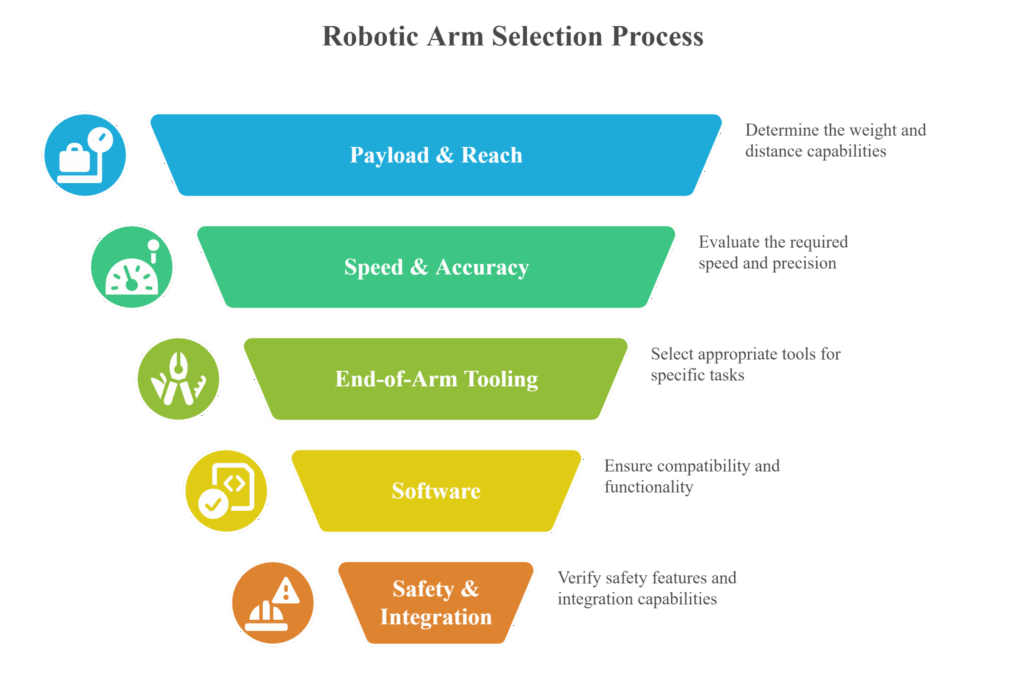
14. How to Choose a Robotic Arm: A 5-Step Checklist
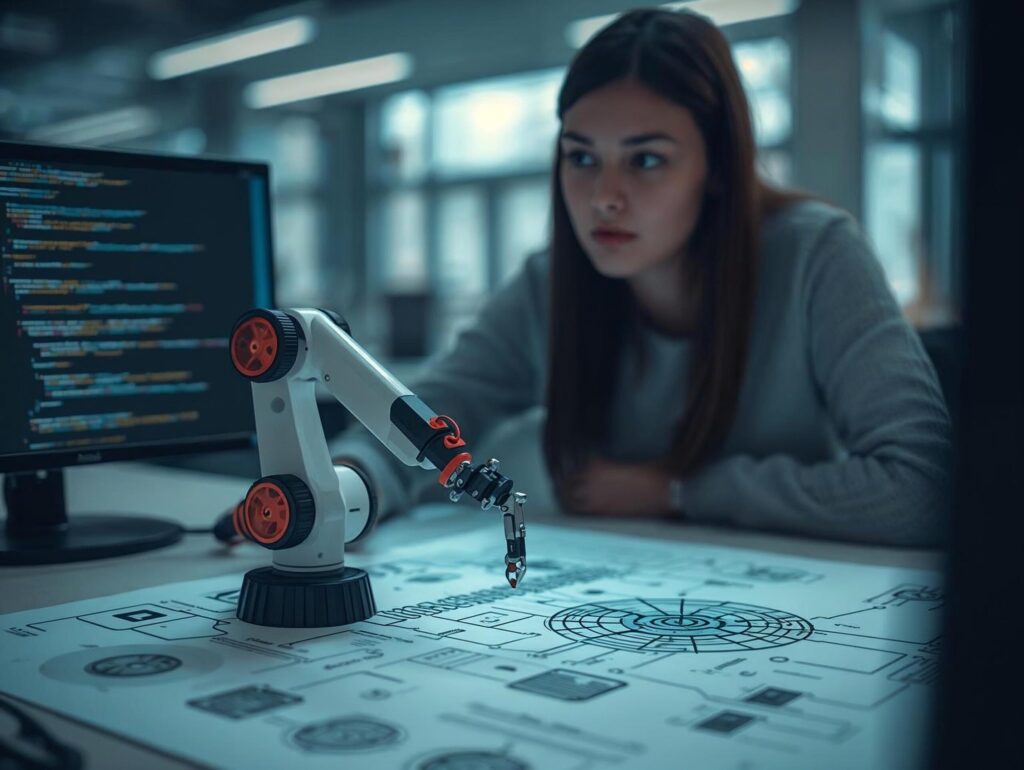
Selecting the appropriate industrial robotic arm is a critical decision that influences operational efficiency, safety, and return on investment. This checklist provides a structured approach to help you navigate the selection process. This is essentially how to choose a robotic arm effectively.
Step 1: Define Your Payload and Reach
Begin by clearly defining the physical requirements of your application:
- Payload Capacity: What is the maximum weight the robot needs to lift, including the weight of any end effectors for robotic arms? This will determine if you need a heavy duty robotic arm or if a lighter model is sufficient.
- Reach: What is the maximum distance the robot arm must extend to cover its entire workspace, including any required tool offsets?
Step 2: Determine Your Speed and Accuracy Needs
Consider the performance metrics essential for your task:
- Speed: How quickly must the robot complete its cycle to meet production targets?
- Accuracy/Repeatability: What level of positional consistency is required? For delicate or precise tasks, a precision robotic arm is essential. For high-volume, quick movements, a high speed robotic arm might be prioritized.
Step 3: Select the Right Type of End-of-Arm Tooling
The EOAT is crucial as it directly interacts with the workpieces:
- Grippers: Choose based on material and shape. Options include a robotic arm with suction gripper, a robotic arm with parallel gripper, or a robotic arm with vacuum gripper.
- Process Tools: Welding torches, paint guns, screwdrivers (for a robotic arm for screwdriving), polishing pads (for a robotic arm for polishing automation), deburring tools (for a robotic arm for deburring automation), or dispensing nozzles (for a robotic arm for dispensing).
Step 4: Consider the Robot’s Software
Software capabilities are vital for programming and integration:
- Programming Interface: Evaluate the robotic arm programming software for user-friendliness, offline programming capabilities, and advanced features.
- Simulation Tools: Utilize robot arm simulation software to design and test robot cells virtually, minimizing risks and downtime during deployment.
Step 5: Plan for Safety and Integration
Safety and seamless integration are non-negotiable:
- Safety Features: Assess built-in safety mechanisms and the need for external safety components like fences or light curtains.
- Integration: Consider how easily the robot can be integrated into your existing production line, including communication protocols and compatibility with other automated systems.
15. What Are the Best Robotic Arms for Beginners?
For individuals or organizations new to robotics, choosing the right entry-level industrial robotic arm can significantly impact the learning curve and success of initial projects. The key is to balance capability with ease of use and affordability.
User-Friendly Models and Brands
When seeking a robotic arm for beginners, look for models known for intuitive interfaces and straightforward programming. Brands like Universal Robots are often cited for their user-friendly collaborative robots (cobots), which can be programmed through lead-through teaching or graphical interfaces, requiring minimal coding experience. Other manufacturers offer entry-level industrial robots with simplified control systems designed for rapid deployment and quick learning.
What to Look for in Educational and Training Robots
For educational settings, the question of what is the best robotic arm for education is common. An ideal robotic arm for education and robot arm for students should offer:
- Safety: Inherently safe designs, especially for hands-on learning.
- Ease of Programming: Support for various programming methods, from block-based visual programming for novices to text-based coding for advanced students.
- Curriculum Support: Availability of educational resources, lesson plans, and project ideas.
- Durability: Able to withstand frequent use and experimentation.
- Cost-Effectiveness: Affordable enough for institutions or individuals, with manageable maintenance.
A robotic arm for education and training provides a practical platform to understand kinematics, control theory, and automation principles. Similarly, a best robotic arm for hobbyists typically shares these traits, offering a balance of functionality and accessibility for personal projects and learning.
16. The Best Brands of Industrial Robotic Arms
The market for industrial robotic arm solutions is highly competitive, featuring several global leaders that consistently innovate and provide robust automation technologies. Understanding the landscape of top robotic arm manufacturers is essential for making informed purchasing decisions.
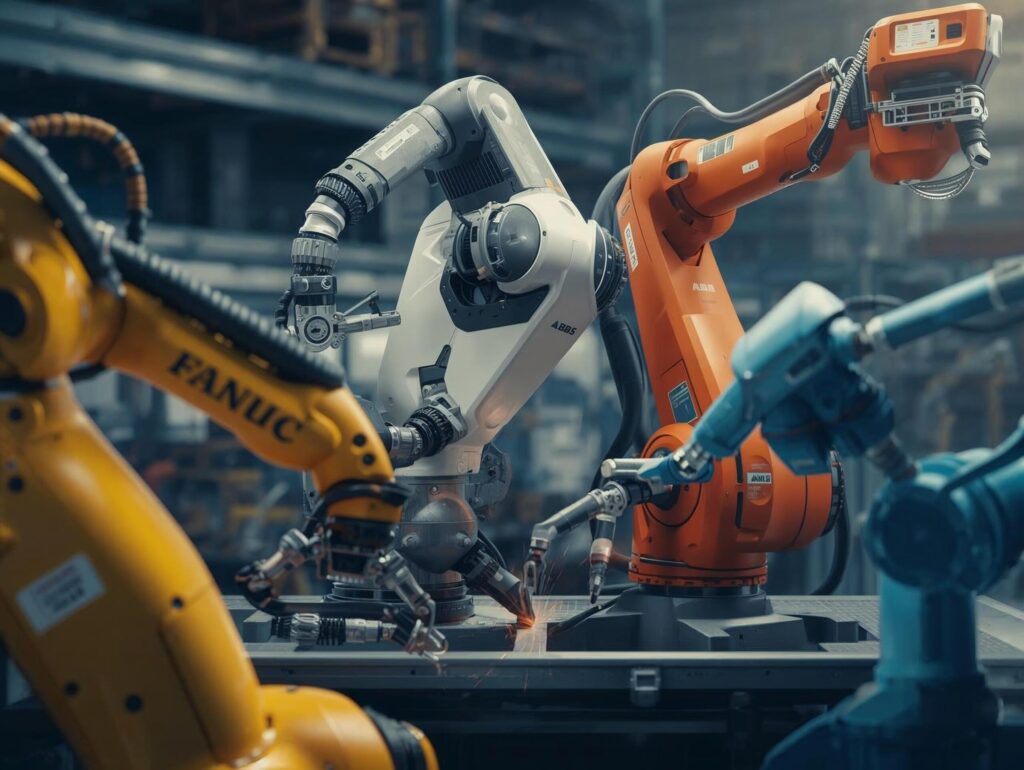
A Look at the Top Global Manufacturers (e.g., FANUC, ABB, KUKA, Universal Robots)
- FANUC: A Japanese powerhouse, recognizable by its yellow robots, offering an extensive range from small assembly robots to heavy-duty models for automotive applications. Known for reliability and comprehensive support, their solutions are central to industrial automation.
- ABB: A Swiss-Swedish multinational with a strong presence across various industries. ABB is known for its collaborative robots (YuMi) and advanced software solutions that facilitate seamless robot integration.
- KUKA: A German manufacturer, famous for its distinctive orange robots. KUKA is particularly strong in the automotive industry, known for high-payload robots and innovative control systems, providing comprehensive robotic automation solutions.
- Universal Robots: A Danish company that pioneered the collaborative robot (cobot) market. Universal Robots has made automation more accessible and user-friendly, especially for a robotic arm for small business and robotic arm for startups applications.
- Yaskawa Motoman: Another Japanese leader, offering a diverse portfolio including welding, material handling, and painting robots, with a focus on comprehensive robotic solutions.
- Kawasaki Robotics: Provides a wide range of robots for various applications, including specialized models for cleanroom and medical environments.
- Epson Robots: Specializes in precision assembly and handling robots, particularly SCARA and Cartesian types, for the electronics and medical industries, focusing on precision robotics.
What Each Brand Is Known For
Each of these manufacturers brings unique strengths to the market. While FANUC and KUKA are often associated with heavy-duty, high-performance robots for large-scale manufacturing, Universal Robots excels in user-friendly cobots. ABB offers a broad spectrum of solutions, and Yaskawa is known for its diverse applications. When considering a robotic arm review, it’s beneficial to research these brands’ specific offerings and their reputation within your industry.
17. What Is a Collaborative Robot (Cobot)?
The emergence of collaborative robots, or cobots, represents a significant evolution in robotics, fundamentally changing how humans and machines interact in the workplace. Unlike traditional industrial robots, cobots are designed for direct human interaction.

How Cobots Differ from Traditional Industrial Robots
Traditional industrial robotic arm systems are typically large, fast, and powerful, requiring safety caging to protect human operators from potential hazards. Cobots, however, are built with inherent safety features that allow them to work side-by-side with humans without fences. These features include:
- Force and Power Limiting: Cobots are programmed to operate within specific force and power limits, stopping or reducing speed upon contact with a human.
- Safety-Rated Monitored Stop: The robot can safely stop when a human enters its workspace and resume when the human leaves.
- Hand Guiding: Operators can manually guide the robot to teach it new tasks, simplifying programming.
- Speed and Separation Monitoring: The robot adjusts its speed based on the proximity of human workers.
Why Cobots Are So Popular Now
Cobots have gained immense popularity due to their flexibility, ease of deployment, and ability to lower the barrier to automation for businesses of all sizes, including a robotic arm for small business. They are ideal for tasks that require both human dexterity and robotic strength, such as assembly, packaging, quality inspection, and machine tending. Their intuitive programming, often through lead-through teaching or graphical interfaces, makes them accessible even to those without extensive robotics expertise, fostering a more collaborative and efficient production environment.
18. How Will AI Change Robotic Arms?
Artificial intelligence (AI) and machine learning (ML) are poised to fundamentally transform the capabilities of the industrial robotic arm, moving them beyond mere programmed automation to truly intelligent and adaptable systems.
The Future of Smart, Adaptable Robots
The integration of AI will make robots smarter, enabling them to perceive, reason, and act more intelligently within dynamic environments. This means robots will no longer be confined to performing only precisely pre-programmed tasks. Instead, they will be able to handle greater variability, adapt to unforeseen changes, and make autonomous decisions, significantly enhancing their utility in complex manufacturing scenarios. This heralds a new era of proactive industrial automation.
Learning from Experience with Machine Learning
Machine learning allows the industrial robotic arm to learn from data and experience, continuously improving its performance over time. This includes:
- Enhanced Object Recognition: Robots can identify and manipulate a wider variety of objects, even those they haven’t been explicitly programmed for.
- Optimized Path Planning: ML algorithms can find the most efficient and safest paths for robot movements, reducing cycle times and energy consumption.
- Predictive Maintenance: Robots can analyze their own performance data to predict potential failures, allowing for proactive maintenance and minimizing downtime.
- Adaptive Control: The robot can adjust its grip force (for a robotic arm with suction gripper or robotic arm with parallel gripper) or speed based on real-time feedback, making it more versatile for delicate tasks.
These advancements will lead to more flexible robotic systems that can quickly adapt to changing production demands, ultimately driving greater efficiency and innovation in automated manufacturing.
19. What Is “Robots as a Service” (RaaS)?
“Robots as a Service” (RaaS) is an emerging business model that is democratizing access to robotic automation, making the industrial robotic arm a viable option for a wider range of businesses, including small and medium-sized enterprises (SMEs).
A Simple Explanation of the RaaS Business Model
Traditionally, acquiring an industrial robotic arm involved a significant upfront capital expenditure for the robot, end-of-arm tooling (EOAT), software, integration, and training. The RaaS model shifts this paradigm by allowing companies to subscribe to robotic services, paying for usage rather than outright ownership. This is similar to cloud computing or software-as-a-service (SaaS).
Under RaaS, a provider owns, maintains, and upgrades the robotic equipment. The customer pays a recurring fee (monthly, annually, or per-use) for the robot’s services. This fee typically covers the robot, software, maintenance, and support, effectively turning a large capital expense into a predictable operational expense.
Why It Lowers the Barrier to Entry for Businesses
The RaaS model significantly lowers the barrier to entry for businesses looking to implement automation, especially for a robotic arm for small business and robotic arm for startups. Key advantages include:
- Reduced Upfront Costs: Eliminates the need for a large initial investment, freeing up capital for other business needs.
- Scalability: Businesses can easily scale their robotic capabilities up or down based on production demands without being tied to owned assets.
- Access to Latest Technology: RaaS providers often offer the newest new robotic arm models and software updates, ensuring customers always have access to cutting-edge technology.
- Minimized Maintenance Burden: The provider handles maintenance and repairs, reducing the operational burden on the customer.
- Flexibility: Allows businesses to experiment with different robotic solutions for various applications without long-term commitments.
This model makes advanced automation accessible, enabling more companies to reap the benefits of an industrial robotic arm without the traditional financial and technical hurdles.
20. What Are the Biggest Challenges in Automation?
While the benefits of integrating an industrial robotic arm are numerous, the journey to full automation is not without its challenges. Addressing these obstacles proactively is essential for successful implementation and long-term operational efficiency.
Managing Initial Costs
The initial investment required for an industrial robotic arm can be a significant hurdle, particularly for small and medium-sized enterprises. The industrial robot cost encompasses not only the robot itself but also the end-of-arm tooling (EOAT), safety systems, programming, and installation. While the long-term ROI is often compelling, securing the initial capital and justifying the expenditure can be a complex financial decision. Businesses must carefully evaluate the total cost of ownership, including potential maintenance and operational expenses, to ensure the investment aligns with their budget and strategic goals.
Integrating Robots into Existing Systems
Another major challenge lies in the seamless robot integration into existing production lines and IT infrastructure. This often involves:
- Compatibility Issues: Ensuring the new robotic system can communicate effectively with legacy machinery, PLCs, and manufacturing execution systems (MES).
- Software Development: Customizing robotic arm programming software to fit specific operational workflows and product variations.
- Safety System Design: Implementing comprehensive safety protocols and physical barriers to ensure industrial robot safety, especially when humans and robots share workspaces.
- Workforce Training: Training existing staff to operate, program, and maintain the new robotic systems, which can require significant time and resources.
These integration complexities can lead to unexpected delays and costs if not meticulously planned. Successful automation projects often rely on experienced system integrators who specialize in designing and deploying comprehensive robotic automation solutions.
21. How Are Robotic Arms Programmed?
Programming an industrial robotic arm is the process of teaching it how to perform its intended tasks. This can range from simple, repetitive movements to complex, adaptive operations, utilizing various methods and sophisticated software tools.
The Different Ways to “Teach” a Robot
Robots can be programmed through several methods, each suited for different levels of complexity and user expertise:
- Teach Pendant Programming: This is a common method where an operator uses a handheld device (teach pendant) to manually move the robot’s arm to desired positions and record them. The robot then replays these recorded points.
- Lead-Through Programming: Particularly popular with collaborative robots, this method involves physically moving the robot arm through the desired path while the robot records the movements.
- Offline Programming: This involves creating and simulating robot programs on a computer using specialized software, without interrupting the actual robot’s operation. This is highly efficient for complex tasks and reduces downtime.
- Text-Based Programming: More advanced users can write code in proprietary robot languages (e.g., KUKA KRL, FANUC Karel) or increasingly, in general-purpose languages like Python, to define complex logic and motion paths.
A Look at Programming Software and Simulation Tools
Modern robotics relies heavily on advanced software:
- Robotic Arm Programming Software: These applications provide an interface for creating, editing, and managing robot programs. They often include features for path planning, I/O management, and integration with vision systems.
- Robot Arm Simulation Software: Crucial for virtual commissioning, robot arm simulation software allows engineers to design, test, and optimize robot work cells in a virtual environment before physical deployment. This helps identify potential issues, optimize cycle times, and ensure safety without tying up valuable production resources. Simulators can model the robot’s kinematics, dynamics, and interaction with workpieces and other machinery, making them indispensable for complex industrial robotic arm applications.
22. Can I Buy a Used Industrial Robot?
For businesses seeking to implement automation while managing costs, the option of purchasing a used industrial robot is increasingly attractive. This approach can offer significant savings, but it also comes with considerations that require careful evaluation.
The Pros and Cons of Used Robots
Pros:
- Cost Savings: The most significant advantage is the substantially lower initial industrial robot cost compared to new models.
- Faster Availability: Used robots can often be acquired and deployed more quickly than ordering new ones, which may have longer lead times.
- Proven Technology: Many used models are from established series with proven reliability and performance.
Cons: - Warranty: May come with limited or no warranty, increasing risk.
- Wear and Tear: Components may have accumulated significant operational hours, potentially leading to higher maintenance needs sooner.
- Outdated Technology: May lack the latest features, connectivity options, or processing power of newer new robotic arm models.
- Integration Challenges: Integrating older models with modern factory systems might require more custom work.
What to Inspect Before You Buy
Before committing to a used industrial robotic arm, a thorough inspection is paramount:
- Operational Hours: Check the robot’s total run time. High hours indicate more wear.
- Mechanical Condition: Inspect for excessive play in joints, oil leaks, unusual noises during operation, or signs of damage.
- Controller Condition: Verify the controller’s functionality, software version, and connectivity ports.
- Maintenance Records: Request detailed maintenance logs to understand its service history.
- Repeatability Test: If possible, perform a repeatability test to ensure it still meets required precision standards.
- End-of-Arm Tooling (EOAT): Assess the condition of any included EOAT and its compatibility with your needs.
A comprehensive robotic arm review by a qualified technician is highly recommended to ensure the used robot meets your operational requirements and provides a good return on investment.
23. The Importance of Maintenance and Support
Once an industrial robotic arm is deployed, its long-term performance and reliability depend significantly on consistent maintenance and access to expert support. Neglecting these aspects can lead to costly downtime and reduced operational efficiency.
How to Keep Your Robot Running Smoothly
Proactive maintenance is key to maximizing the lifespan and uptime of any robotic system. A comprehensive maintenance plan should include:
- Regular Inspections: Periodically check for wear and tear, loose connections, and signs of damage on cables, hoses, and mechanical components.
- Lubrication: Adhere to manufacturer guidelines for lubricating joints and gearboxes to prevent friction and premature wear.
- Software Updates: Keep robotic arm programming software and controller firmware up-to-date to benefit from performance enhancements and security patches.
- Calibration: Periodically recalibrate the robot to maintain its positional accuracy and repeatability.
- Component Replacement: Replace consumable parts, such as batteries, filters, and seals, according to the recommended schedule.
The Cost and Value of Service Contracts
While an additional expense, service contracts from manufacturers or third-party providers often offer significant value. These contracts typically include:
- Preventative Maintenance: Scheduled visits from certified technicians to perform routine checks and adjustments.
- Emergency Support: Rapid response for unexpected breakdowns, minimizing costly downtime.
- Spare Parts Access: Guaranteed availability of genuine spare parts, reducing repair times.
- Technical Assistance: Access to expert troubleshooting and diagnostic support.
- Training: Ongoing training for your staff to ensure they are proficient in operating and maintaining the industrial robotic arm.
Investing in robust maintenance and support ensures your automation investment continues to deliver maximum value over its operational life, preventing minor issues from escalating into major production interruptions.
24. How to Integrate a Robotic Arm into Your Factory
Integrating an industrial robotic arm into an existing factory environment is a complex process that requires meticulous planning and execution. Successful robot integration ensures seamless operation, maximum efficiency, and adherence to safety standards.
Planning for Installation and Layout
Before any physical installation, thorough planning is essential:
- Workspace Analysis: Define the robot’s working envelope, ensuring it has adequate reach and clearance for all movements, including any associated conveyors or machinery.
- Footprint: Consider the space required for the robot, its controller, and any safety guarding. For confined areas, a compact robotic arm or even a small robotic arm might be necessary.
- Power and Utilities: Ensure appropriate power, compressed air, and network connections are available at the installation site.
- Material Flow: Design the layout to optimize the flow of materials to and from the robot workcell, minimizing bottlenecks.
- Safety Zones: Clearly delineate the robot’s operational area and any necessary human interaction zones, preparing for comprehensive safety measures.
The Role of System Integrators
For many businesses, particularly those new to automation or with complex applications, engaging a professional system integrator is invaluable. System integrators specialize in designing, installing, and commissioning complete robotic systems. Their expertise includes:
- Application Engineering: Determining the optimal robot type, size, and end-of-arm tooling (EOAT) for your specific task.
- Cell Design: Laying out the robot, peripherals, and safety equipment for maximum efficiency and safety.
- Programming: Developing and optimizing the industrial robot programming for your application.
- Interface Development: Ensuring seamless communication between the robot and other factory automation systems.
- Safety Compliance: Designing and implementing safety systems that meet all relevant industry standards and regulations.
- Commissioning and Training: Overseeing the startup phase and training your staff on operation and basic maintenance.
Leveraging their expertise can significantly reduce project risks, accelerate deployment, and ensure your industrial robotic arm solution delivers its full potential.
25. The Components of a Full Robotic Workcell
An industrial robotic arm is rarely deployed in isolation. Instead, it forms the core of a complete robotic workcell, a carefully designed environment that ensures safety, efficiency, and seamless operation. Understanding these components is key to building a comprehensive automated manufacturing solution.
Beyond the Arm: Safety Fences, Vision Systems, and Conveyors
A full robotic workcell integrates several critical elements to support the robot’s function:
- Safety Fences and Guarding: Physical barriers are essential for traditional industrial robots to prevent human entry into hazardous zones during operation, ensuring industrial robot safety.
- Vision Systems: Integrating robotic arm cameras and advanced processing software creates a robotic arm with vision system. This allows the robot to ‘see,’ identify, locate, and inspect objects, which is vital for tasks like
robotic arm for inspection,robotic arm for quality control, or general robotic arm for inspection systems. - Conveyors and Material Handling Systems: These transport workpieces to and from the robot, ensuring a continuous flow of materials. This can include a robotic arm for material handling and a robotic arm for loading and unloading, optimizing logistics.
- End-of-Arm Tooling (EOAT): As discussed, these are the tools or grippers attached to the robot’s wrist, customized for specific tasks.
- Part Feeders: Systems like vibratory bowls, hoppers, or trays that present parts to the robot in a consistent orientation.
- Control Panels and HMIs: Human-Machine Interfaces allow operators to monitor the robot’s status, input commands, and troubleshoot issues.
- Sensors and Actuators: Additional sensors (beyond those on the arm) detect part presence, position, or safety breaches, while external actuators might control clamps or other mechanisms within the workcell.
Building a Complete Automated Solution
The synergy of these components transforms a standalone industrial robotic arm into a powerful, integrated robotic automation solution. For instance, a system for robotic arm for pick and place might combine a SCARA robot, a vision system for part recognition, a conveyor for feeding parts, and a parallel gripper for manipulation. This holistic approach ensures that the robot can operate autonomously and safely, delivering consistent results and maximizing productivity across the production line.
26. Safety Standards and Regulations
Safety is the paramount consideration when deploying any industrial robotic arm. Adhering to established safety standards and regulations is not just a legal requirement but a moral imperative to protect human workers and prevent costly accidents and downtime.
OSHA and ISO Standards for Industrial Robots
Globally, several key organizations set the benchmarks for industrial robot safety:
- OSHA (Occupational Safety and Health Administration): In the United States, OSHA provides general industry standards that apply to robotics, focusing on machine guarding, lockout/tagout procedures, and general workplace safety. While not robot-specific, these standards ensure a safe operating environment.
- ISO (International Organization for Standardization): ISO standards are internationally recognized and specifically address robot safety. Key standards include:ISO 10218-1: Safety requirements for industrial robots.
- ISO 10218-2: Safety requirements for robot systems and integration.
- ISO/TS 15066: Technical specification for collaborative robots, outlining safe human-robot collaboration.
ANSI/RIA R15.06: In North America, this standard, developed by the Robotic Industries Association (RIA) and approved by ANSI, is harmonized with ISO 10218 and provides comprehensive safety guidelines for industrial robots and robot systems.Compliance with these standards is critical for designing, installing, and operating an industrial robotic arm safely.
Essential Safety Features and Best Practices
Implementing a safe robotic workcell involves a combination of engineering controls, administrative controls, and personal protective equipment:
- Physical Safeguards: Safety fences, light curtains, pressure mats, and interlocked gates to prevent unauthorized access to the robot’s operating area.
- Emergency Stop (E-Stop) Buttons: Easily accessible buttons that immediately cut power to the robot and bring it to a safe stop.
- Safety-Rated Software: Programming logic that monitors robot position, speed, and force, especially for collaborative robots.
- Safe Torque Off (STO): A safety function that removes power from the motor, preventing unexpected startup.
- Collision Detection: Sensors and algorithms that detect impacts and cause the robot to stop or retract.
- Risk Assessment: Conduct a thorough risk assessment for every robot application to identify potential hazards and implement appropriate mitigation strategies.
- Training: Comprehensive training for all personnel who interact with the robot, covering operation, programming, maintenance, and emergency procedures.
Prioritizing safety ensures that the benefits of an industrial robotic arm are realized without compromising worker well-being.
27. End-of-Arm Tooling (EOAT) Explained
The end-of-arm tooling (EOAT), often referred to as an end effectors for robotic arms, is arguably as important as the robot arm itself. It is the component that directly interacts with the workpiece, enabling the industrial robotic arm to perform its specific function. The choice of EOAT is entirely dependent on the application.
Grippers vs. Process Tools
EOAT can broadly be categorized into two main types:
- Grippers: These tools are designed to pick up, hold, and place objects. They come in various forms to accommodate different materials, shapes, and weights. Examples include:Robotic arm with parallel gripper: Uses two opposing jaws for gripping objects with flat or parallel surfaces.
- Robotic arm with suction gripper: Utilizes vacuum cups for handling flat, non-porous materials like glass or sheet metal.
- Robotic arm with vacuum gripper: A more general term for suction-based grippers, often used for packaging or logistics.
Process Tools: These EOATs perform an action on the workpiece rather than just manipulating it. Examples include:- Welding torches (for a welding robotic arm or robotic arm for welding automation). - Paint spray guns (for a painting robotic arm or robotic arm for painting automation).
- Screwdrivers (for a robotic arm for screwdriving).
- Polishing pads (for a robotic arm for polishing or robotic arm for polishing automation, including a robotic arm for polishing metal).
- Grinding tools (for a robotic arm for grinding).
- Deburring tools (for a robotic arm for deburring or robotic arm for deburring automation).
- Dispensing nozzles (for a robotic arm for dispensing adhesives or sealants).
Choosing the Right Tool for the Job
The selection of the correct EOAT is critical for the success of any robotic application. Factors to consider include:
- Workpiece Characteristics: Size, weight, material, fragility, and surface finish.
- Task Requirements: Gripping, cutting, welding, inspecting, etc.
- Environment: Cleanroom, high temperature, hazardous.
- Integration: Compatibility with the robot arm’s wrist and controller.
Many EOATs are custom-designed, but a wide array of off-the-shelf solutions are available, often enhanced by robotic arm sensors or robotic arm cameras for greater intelligence and adaptability.
28. What Is Robot Kinematics?
Robot kinematics is a fundamental concept in robotics, providing the mathematical framework to describe the motion of an industrial robotic arm without considering the forces that cause the motion. It’s essential for programming, control, and simulation.
A Simple Explanation of Robot Motion
Kinematics deals with the geometric relationship between the joints of a robot arm and the position and orientation of its end-of-arm tooling (EOAT) in space. There are two main types:
- Forward Kinematics: Given the angles of all the robot’s joints, forward kinematics calculates the exact position and orientation of the EOAT in 3D space. It answers: “Where is the tool if I know all the joint angles?”
- Inverse Kinematics: This is generally more complex and practical for programming. Given a desired position and orientation for the EOAT, inverse kinematics calculates the required angles for each of the robot’s joints to achieve that pose. It answers: “What joint angles do I need to reach a specific point in space?”
The Importance of Degrees of Freedom (Axes)
The number of ‘degrees of freedom’ (DOF) refers to the number of independent movements a robot arm can make, which corresponds to its joints or axes. Each joint allows for rotation or linear translation. For an industrial robotic arm:
- Minimum for Position: Three degrees of freedom are needed to reach any point in 3D space (X, Y, Z).
- Minimum for Orientation: Another three degrees of freedom are typically needed to orient the EOAT in any direction (roll, pitch, yaw).
- Total for Dexterity: A 6-axis robot (6 DOF) is often considered the standard for industrial tasks because it provides the flexibility to reach any point in its workspace with any desired orientation, mimicking the dexterity of a human arm.
Understanding kinematics is crucial for efficient industrial robot programming and for developing robust robotic solutions that can perform complex movements accurately and efficiently.
29. The Role of Robot Vision Systems
Robot vision systems represent a significant leap in the capabilities of the industrial robotic arm, allowing them to perceive and interpret their environment. This technology transforms robots from blind, repetitive machines into intelligent, adaptable assistants.
How Robots “See” the World
A robot vision system typically consists of one or more robotic arm cameras connected to a processing unit that runs specialized software. These cameras capture images or video of the robot’s workspace. The software then processes these visual inputs to:
- Identify Objects: Recognize specific items based on their shape, color, or features.
- Locate Objects: Determine the precise 3D position and orientation of objects within the workspace.
- Measure Objects: Perform dimensional measurements for quality control.
- Inspect Features: Check for defects, missing components, or proper assembly.
This information is then fed back to the robot’s controller, enabling it to adjust its movements in real-time. This dynamic capability is what defines a robotic arm with vision system, allowing it to handle variations in part presentation that would stump a non-vision-guided robot.
Applications for Inspection, Sorting, and Guidance
The integration of vision systems opens up a vast array of applications for the industrial robotic arm:
- Inspection and Quality Control: A robotic arm for inspection or a robotic arm for quality control can perform rapid, consistent checks for defects, ensuring every product meets specifications. This is crucial for robotic arm for inspection systems in high-volume production.
- Picking and Sorting: Vision-guided
pick and place robotic armsystems can identify randomly oriented parts from a bin (bin picking) or sort different items on a conveyor belt, improving efficiency in logistics and manufacturing. - Assembly Guidance: Robots can use vision to precisely align components during assembly, even if the parts are not perfectly positioned.
- Measurement and Calibration: Vision systems can provide precise measurements for tasks like tool calibration or verifying dimensions.
By giving the industrial robotic arm the power of sight, vision systems unlock new levels of flexibility, accuracy, and automation for complex and variable tasks.
30. Robots for Material Handling and Palletizing
Material handling and palletizing are among the most common and beneficial applications for the industrial robotic arm. These tasks, often repetitive and physically demanding for humans, are perfectly suited for robotic automation, leading to significant improvements in efficiency and safety.
Automating the End of the Line
At the end of many production lines, finished products need to be moved, sorted, and packed for shipment. This is where material handling robots excel. A robotic arm for material handling can efficiently transfer items from one conveyor to another, load them into boxes, or prepare them for storage. This automation reduces bottlenecks, ensures a consistent flow of goods, and minimizes the risk of product damage during transit.
Optimizing Logistics with Robots
Palletizing is a specific type of material handling where products are stacked onto pallets for shipping or storage. Palletizing robots are designed to perform this task with high speed, precision, and consistency. They can handle heavy loads, stack products in complex patterns to maximize pallet stability, and operate continuously without fatigue. This not only optimizes logistics and warehouse space but also significantly reduces the strain and potential for injury on human workers who would otherwise perform these physically demanding tasks.
A robotic arm for automated sorting also plays a crucial role in logistics, managing high volumes of diverse items with speed and accuracy. Furthermore, a robotic arm for loading and unloading vehicles and conveyors enhances efficiency across the supply chain, while a robotic arm for logistics and warehouse operations streamlines package sorting and movement, and a robotic arm for e-commerce fulfillment speeds up order processing, and a robotic arm for postal automation handles mail sorting.
31. Emerging Applications for Robotic Arms
While the industrial robotic arm has a strong foothold in traditional manufacturing, its adaptability and ongoing technological advancements are paving the way for exciting new applications in previously untapped sectors. These emerging uses highlight the expanding potential of robotic solutions.
Robots in Agriculture, Construction, and Textiles
- Agriculture: An agricultural robotic arm is transforming farming by automating labor-intensive tasks. This includes a robotic arm for harvesting delicate crops, a robotic arm for planting seeds with precision, a robotic arm for livestock management (e.g., milking or feeding), a robotic arm for pruning, and a robotic arm for seeding. These applications increase yield, reduce waste, and address labor shortages in the agricultural sector.
- Construction: A robotic arm for construction is beginning to take on repetitive and dangerous tasks like bricklaying, drilling, welding, and even 3D printing large structures. This improves safety, speed, and precision on construction sites.
- Textiles and Apparel: In an industry traditionally reliant on manual dexterity, a robotic arm for textiles and a robotic arm for apparel manufacturing are finding roles in fabric handling, cutting, and even automated sewing, addressing challenges in precision and speed.
Expanding the Use Case Beyond Traditional Manufacturing
Beyond these industries, the industrial robotic arm is also finding its way into other specialized niches:
- Retail and Service: A robotic arm for retail automation can assist with stocking shelves, preparing online orders, or even making coffee. A robotic arm for shelving and a robotic arm for inventory management are becoming more prevalent in automated stores and warehouses.
- Material Processing: Specialized robots are deployed for tasks like a robotic arm for stone cutting, a robotic arm for glass handling, and a robotic arm for woodworking, demonstrating their versatility across diverse materials.
- Plastic Processing: A robotic arm for injection molding and a robotic arm for plastic processing handle parts removal, trimming, and inspection in high-temperature environments.
- Additive Manufacturing: A robotic arm for additive manufacturing can precisely deposit materials for large-scale 3D printing or complex repairs.
- Material Removal: Advanced robots are used for intricate material removal tasks such as a robotic arm for material removal, where precision is needed for applications like grinding or polishing.
These diverse applications underscore the continuous evolution of the industrial robotic arm, solidifying its role as a versatile tool for innovation across nearly every sector.
32. Getting Started with a New Robot Project
Embarking on a new robot project, whether it’s your first or an expansion of existing automation, requires a structured approach. A well-planned project ensures that the industrial robotic arm delivers the desired benefits and integrates smoothly into your operations.
A Step-by-Step Guide for Project Planning
- Needs Assessment: Clearly define the problem you’re trying to solve. What task will the robot perform? What are the current pain points (e.g., safety hazards, low throughput, inconsistent quality)? This will help determine if an industrial robotic arm is the right solution.
- Application Definition: Based on the needs, specify the technical requirements: payload, reach, speed, accuracy, number of axes (e.g., is a 6-axis robot needed?), and environmental conditions.
- Robot Selection: Research and compare different types of industrial robots and manufacturers based on your defined application needs. Consider factors like industrial robot cost, software capabilities, and support.
- End-of-Arm Tooling (EOAT) Design: Select or design the appropriate end effectors for robotic arms (grippers, process tools) that will enable the robot to perform its task effectively.
- Workcell Design and Simulation: Plan the layout of the robot workcell, including peripherals, safety systems, and material flow. Utilize robot arm simulation software to test and optimize the design virtually.
- Safety Assessment and Implementation: Conduct a thorough risk assessment to identify hazards and implement necessary safety measures, adhering to industrial robot safety standards.
- Programming and Integration: Develop the robot program using robotic arm programming software. Integrate the robot with existing machinery and control systems.
- Testing and Commissioning: Rigorously test the entire workcell to ensure it meets performance and safety requirements before full deployment.
- Training and Documentation: Train operators, programmers, and maintenance staff. Provide comprehensive documentation for future reference.
- Ongoing Optimization: Continuously monitor the robot’s performance, collect data, and identify opportunities for further optimization and improvement.
From Needs Assessment to Final Deployment
Each step in this process is critical. Skipping stages or insufficient planning can lead to costly rework, safety issues, or underperforming systems. By following this structured guide, businesses can confidently deploy an industrial robotic arm, transforming their operations with reliable and efficient automation.
33. The Future of Human-Robot Collaboration
The relationship between humans and robots in the workplace is rapidly evolving, moving beyond mere coexistence to genuine collaboration. The future holds a vision where the industrial robotic arm works seamlessly alongside human operators, enhancing productivity and job satisfaction.
How Humans and Robots Will Work Together in the Future
The rise of collaborative robots (cobots) is a testament to this shift. In the future, we can expect:
- Shared Workspaces: Humans and robots will increasingly share the same physical space without the need for extensive safety barriers, enabled by advanced safety features in robots.
- Task Sharing: Robots will handle repetitive, heavy, or dangerous tasks, while humans focus on tasks requiring cognitive skills, problem-solving, and fine motor dexterity. This includes human-robot teaming for complex assembly or quality checks.
- Adaptive Learning: Robots equipped with AI and machine learning will learn from human demonstrations and adapt their behavior to optimize workflows, making the industrial robotic arm more intuitive to work with.
- Enhanced Ergonomics: Robots can assist humans with physically demanding parts of a job, reducing strain and improving ergonomics for workers.
This collaboration will lead to hybrid production lines where the strengths of both humans and machines are leveraged, creating more agile and resilient manufacturing systems.
The Impact on the Workforce and Job Roles
The future of human-robot collaboration will inevitably impact the workforce, but not necessarily through widespread job displacement. Instead, it will likely lead to job transformation:
- New Job Roles: A demand for robot programmers, integrators (focused on robot integration), maintenance technicians, and robot supervisors will increase.
- Upskilling and Reskilling: Workers will need to acquire new skills in areas like robotics operation, troubleshooting, and collaboration with automated systems.
- Increased Productivity: Human-robot teams can achieve higher productivity than either working alone, leading to competitive advantages for businesses.
- Improved Job Quality: By offloading undesirable tasks to robots, human workers can focus on more engaging, value-added activities.
The future workplace will be characterized by a symbiotic relationship where the industrial robotic arm acts as a powerful assistant, augmenting human capabilities and creating new opportunities rather than simply replacing existing ones.
34. Robotics in Education and Research
Beyond its industrial applications, the industrial robotic arm serves as a powerful catalyst for learning and innovation in academic and research settings. It’s a tangible tool for understanding complex engineering principles and pushing the boundaries of technology.
Using Robots as a Teaching Tool
For students in mechanical engineering, mechatronics, computer science, and automation, hands-on experience with robotics is invaluable. A robotic arm for education provides a practical platform to apply theoretical knowledge in areas such as kinematics, dynamics, control systems, and programming. Educational institutions often invest in a robotic arm for education and training that is user-friendly, safe, and comes with comprehensive curricula. The interaction with a robot arm for students fosters critical thinking, problem-solving skills, and a deeper understanding of automation principles, preparing the next generation of engineers for an increasingly automated world. The discussion around what is the best robotic arm for education often centers on models that offer a balance of functionality, safety, and ease of programming.
The Role of Robots in University Labs
University and corporate research laboratories frequently utilize an industrial robotic arm to conduct cutting-edge research. A robotic arm for research is a versatile tool for exploring new frontiers in:
- Artificial Intelligence and Machine Learning: Developing advanced algorithms for robot perception, decision-making, and adaptive control.
- Human-Robot Interaction: Studying how humans and robots can collaborate more effectively and intuitively.
- Novel Manufacturing Processes: Prototyping new techniques like
robotic arm for additive manufacturingor specialized material removal. - Advanced Sensor Development: Testing new robotic arm sensors and vision systems.
- Biomimetics: Designing robots that mimic biological movements.
These research applications often involve a robotic arm for prototyping new designs and processes, a robotic arm for laboratories to automate experimental setups, or a robotic arm for university research to explore theoretical concepts. For instance, in the semiconductor industry, a robotic arm for semiconductor industry is used in R&D to develop ultra-high precision fabrication techniques. The flexibility and precision of these systems make them indispensable for pushing the boundaries of what automation can achieve.
35. Conclusion: The Next Generation of Industrial Automation
The journey through the world of the industrial robotic arm reveals a technology that is not just transforming industries but is also a cornerstone of engineering innovation. From enhancing efficiency and safety on the factory floor to opening new avenues in research and education, robotic arms are indispensable tools for progress. As technology continues to advance, these intelligent machines will only become more integrated, intuitive, and capable, pushing the boundaries of what’s possible in automation.
For engineers and businesses, embracing this technology means staying at the forefront of innovation, optimizing operations, and securing a competitive advantage. Understanding the principles, applications, and selection criteria discussed in this guide is the first step towards harnessing this powerful technology. Ready to elevate your engineering career or optimize your operations? [[Explore our advanced robotics courses]] today and become a leader in the age of automation. For further reading on the societal impact of automation, consider this [[report from the World Economic Forum]].
Conclusion
The journey through the world of the industrial robotic arm reveals a technology that is not just transforming industries but is also a cornerstone of engineering innovation. From enhancing efficiency and safety on the factory floor to opening new avenues in research and education, robotic arms are indispensable tools for progress. As technology continues to advance, these intelligent machines will only become more integrated, intuitive, and capable, pushing the boundaries of what’s possible in automation.
For engineers and businesses, embracing this technology means staying at the forefront of innovation, optimizing operations, and securing a competitive advantage. Understanding the principles, applications, and selection criteria discussed in this guide is the first step towards harnessing this powerful technology. Ready to elevate your engineering career or optimize your operations? [[Explore our advanced robotics courses]] today and become a leader in the age of automation. For further reading on the societal impact of automation, consider this [[report from the World Economic Forum]].
Frequently Asked Questions
What is the primary function of an industrial robotic arm?
The primary function of an industrial robotic arm is to automate repetitive, precise, or hazardous tasks in manufacturing and industrial settings, thereby increasing efficiency, consistency, and safety in production processes. It handles various operations from welding to pick and place.
How do collaborative robots (cobots) differ from traditional industrial robotic arms?
Collaborative robots (cobots) are designed to work safely alongside humans without traditional safety caging, featuring inherent safety mechanisms like force limiting. Traditional industrial robotic arm systems are typically faster and more powerful, requiring fences for human protection.
What are the main benefits of integrating an industrial robotic arm into production?
Integrating an industrial robotic arm offers numerous benefits, including significantly boosting productivity and efficiency, ensuring consistent product quality, improving workplace safety by removing humans from dangerous tasks, reducing long-term operational costs, and providing greater flexibility and adaptability in manufacturing processes.
What factors should be considered when choosing an industrial robotic arm?
When choosing an industrial robotic arm, critical factors include payload capacity, required reach, desired speed and accuracy, the number of axes needed for task complexity, the type of end-of-arm tooling, software capabilities, environmental conditions, and the overall cost of ownership and support.
Can small businesses afford to implement an industrial robotic arm?
Yes, small businesses can increasingly afford to implement an industrial robotic arm. The rise of collaborative robots (cobots) and “Robots as a Service” (RaaS) models has significantly lowered the entry barrier, offering more affordable, flexible, and easier-to-integrate automation solutions for smaller operations.
Types of Industrial Robotic Arms
The diversity of industrial robotic arms allows for specialized applications tailored to specific manufacturing needs. Each type offers distinct advantages in terms of movement, reach, and payload capacity.
Articulated Robot Arms
Articulated robot arms are among the most common and versatile, mimicking the human arm with rotary joints. These robots can have 4-6 axes, providing exceptional flexibility and reach, making them suitable for a broad range of industrial robot applications from welding to assembly.
SCARA Robots
SCARA (Selective Compliance Assembly Robot Arm) robots are known for their high speed and precision in a horizontal plane. They are ideal for pick and place robots and assembly robots tasks where vertical motion is limited but quick, accurate horizontal movement is essential.
Delta Robots
Delta robots, or parallel robots, are characterized by their unique parallel kinematics, allowing for extremely high-speed operations. They are commonly used in the food, pharmaceutical, and electronics industries for rapid pick and place and packaging.
Collaborative Robots (Cobots)
Collaborative robots, or cobots, are designed to work safely alongside human operators without the need for extensive safety caging. These robots are becoming increasingly popular for tasks requiring human-robot interaction, offering flexibility and adaptability in dynamic work environments.
Key Industrial Robot Applications
Industrial robotic arms are deployed across countless sectors, transforming processes and enhancing output. Their adaptability makes them indispensable for modern factory automation solutions.
Welding Robots
Welding robots are integral to automotive, construction, and heavy machinery industries. They deliver consistent, high-quality welds with superior speed and accuracy, reducing human exposure to hazardous conditions.
Material Handling Robots & Robotic Palletizing
Material handling robots automate the movement of goods, components, and raw materials within a facility. This includes tasks like loading, unloading, and transferring. Robotic palletizing systems efficiently stack products onto pallets, optimizing logistics and reducing manual labor.
Assembly Robots & Pick and Place Robots
Assembly robots are critical for precision tasks, assembling intricate components in electronics and automotive manufacturing. Pick and place robots rapidly transfer objects from one location to another, common in packaging and sorting operations.
Machine Tending Robots
Machine tending robots automate the loading and unloading of parts into machinery such as CNC machines, presses, and injection molding equipment. This application boosts machine utilization and ensures continuous production.
Comparing Top Industrial Robotic Arm Solutions
| Feature | Yahboom Nano 4GB Collaborative Programmable Robot Arm | Six-Joint Robotic Arm 5KG Capacity | ZW06 Industrial Robot 6-Axis Robotic Arm | Industrial Welding Robotic Arm Control Container |
|---|---|---|---|---|
| Type | Collaborative, Educational/Hobbyist | Articulated, General Purpose | Compact Articulated | Welding Specific |
| Axes | 6-axis | 6-axis | 6-axis | 6-axis |
| Payload Capacity | Light (typically | 5 kg | 0.5 kg | Specialized for welding torch (variable) |
| Programming | Python, ROS, Scratch | Teach Pendant, PC Software | Teach Pendant, PC Software | Integrated Welding Software |
| Target User | Students, Researchers, Small-scale R&D | Industrial, Medium-scale Manufacturing | Industrial, Compact Workspaces | Industrial Welding Operations |
| Integration | DIY/Custom | Standard Industrial Interfaces | Standard Industrial Interfaces | Welding System Integration |
| Price Point | Entry-level | Mid-range | Mid-range | Higher-end (system) |
Detailed Reviews of Recommended Industrial Robotic Arms
Selecting the right industrial robotic arm is a critical decision that impacts efficiency, safety, and overall production quality. Here, we review several noteworthy options, providing insights into their capabilities and ideal use cases.
Yahboom Nano 4GB Collaborative Programmable Robot Arm
The Yahboom Nano 4GB Collaborative Programmable Robot Arm is an excellent entry point for learning about industrial robotics technology. This compact 6-axis robot arm is designed for educational and research purposes, allowing users to explore robotic arm programming through platforms like Python and ROS. It emphasizes the collaborative robots (cobots) aspect, making it suitable for experimenting with human-robot interaction in a safe environment. While not a heavy duty industrial robot, it provides a valuable foundation for understanding complex robotic movements and control systems.
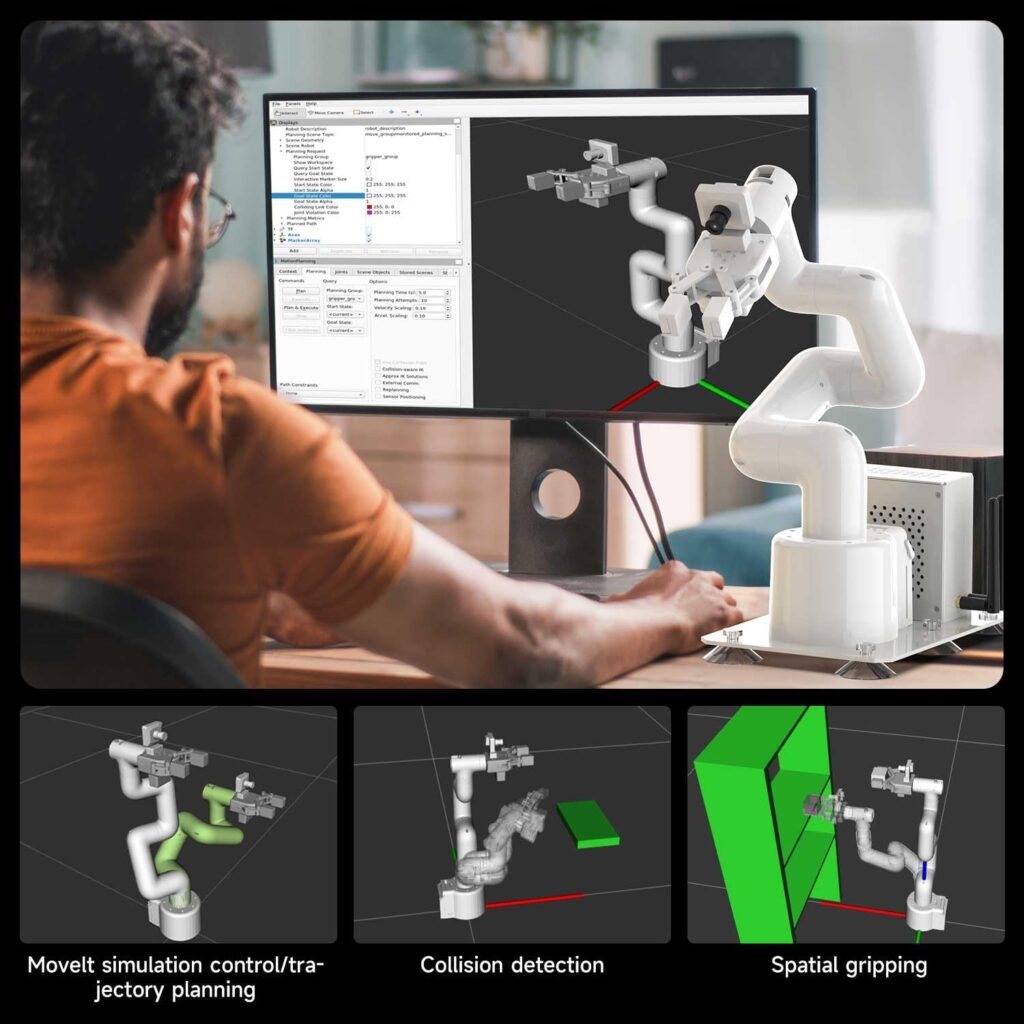
Pros
- Highly programmable with open-source platforms.
- Ideal for education and small-scale R&D.
- Compact and relatively affordable.
- Fosters understanding of collaborative robotics.
Cons
- Limited payload and reach for industrial applications.
- Requires assembly and programming knowledge.
- Not designed for continuous heavy-duty operation.
Verdict
This model is highly recommended for students, researchers, and hobbyists looking to gain practical experience with a programmable industrial robotic arm. It’s a fantastic tool for developing skills in robotic control and artificial intelligence.
Six-Joint Robotic Arm 5KG Capacity
This six-joint industrial robotic arm offers a substantial 5kg payload capacity, making it suitable for a range of medium-duty industrial robot applications. Its articulated design provides excellent flexibility, allowing it to reach complex geometries and perform tasks like machine tending, material handling robots, and light assembly. As a general-purpose industrial robotic arm, it represents a solid investment for companies seeking to upgrade their automated production lines with reliable and adaptable robotic solutions for industry.
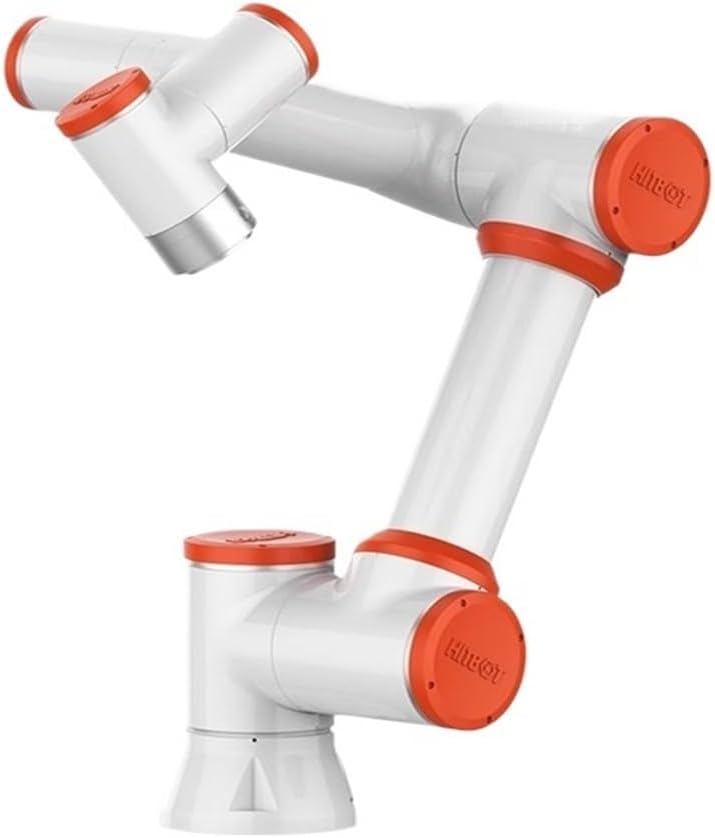
Pros
- 5kg payload capacity for versatile applications.
- Six-joint articulation offers high flexibility.
- Suitable for various industrial tasks.
- Reliable for medium-scale manufacturing.
Cons
- May require professional integration.
- Higher initial cost than entry-level models.
- Not ideal for extremely heavy-duty operations.
Verdict
An excellent choice for businesses requiring a versatile, mid-range industrial robotic arm for tasks that demand precision and a moderate payload. It’s a workhorse for many manufacturing environments.
ZW06 Industrial Robot 6-Axis Robotic Arm
The ZW06 Industrial Robot is a compact industrial robotic arm featuring a 6-axis configuration, making it highly versatile for various tasks in confined spaces. With a 0.5kg payload capacity, it excels in precision applications such as small component assembly, inspection, and delicate pick and place operations. This advanced robotic arm is an excellent solution for manufacturers needing high accuracy within a smaller footprint, optimizing space utilization on automated production lines without sacrificing performance. Its design focuses on efficient operation and integration into existing systems.
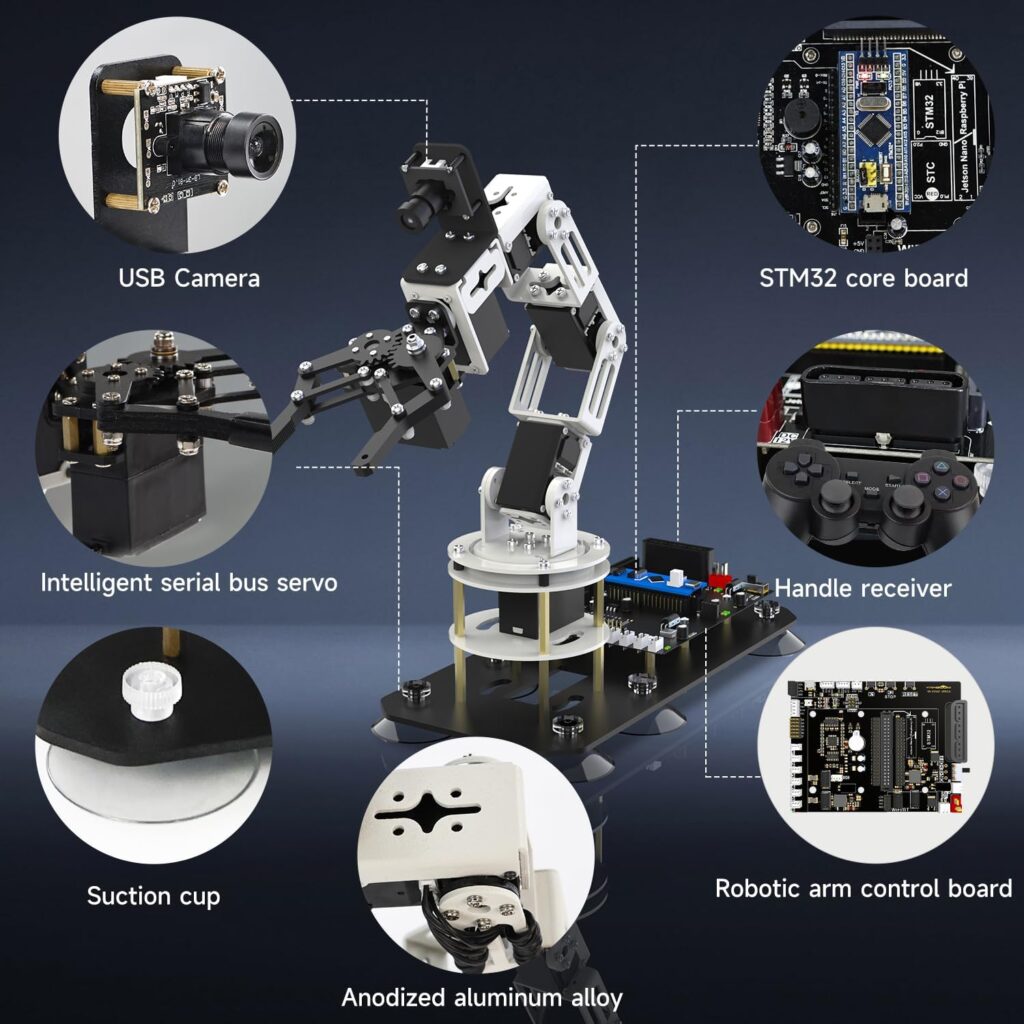
Pros
- Compact design for limited workspace.
- High precision with 6-axis movement.
- Suitable for delicate assembly and inspection.
- Efficient for small component handling.
Cons
- Lower payload capacity limits heavy-duty tasks.
- Best suited for smaller components.
- Requires careful calibration for optimal precision.
Verdict
An ideal choice for industries requiring a precise, compact industrial robotic arm for intricate tasks where space is a premium. It’s particularly effective for electronics and small-part manufacturing.
Industrial Welding Robotic Arm Control Container
For specialized applications, the Industrial Welding Robotic Arm Control Container offers a comprehensive solution for automated welding processes. This system integrates a 6-axis industrial robotic arm with a dedicated control container, providing a complete package for high-volume, high-precision welding tasks. It is designed to enhance productivity and quality in fabrication and manufacturing environments, minimizing human intervention and ensuring consistent weld integrity. This heavy duty industrial robot is ideal for companies prioritizing robust and repeatable welding operations, representing a significant upgrade in their factory automation solutions.
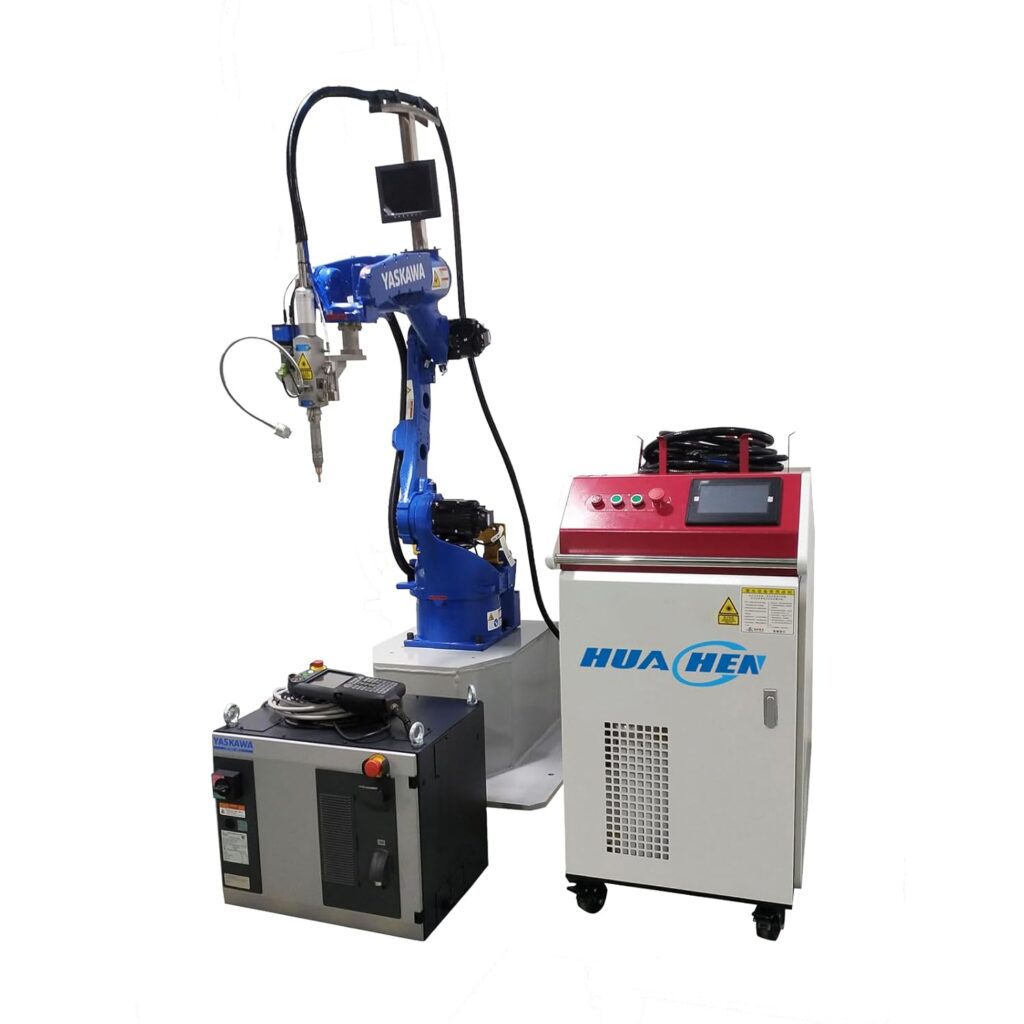
Pros
- Complete integrated welding solution.
- High precision and repeatability for consistent welds.
- Reduces human exposure to hazardous welding conditions.
- Designed for heavy-duty industrial welding.
Cons
- Specialized function, less versatile for other tasks.
- Significant investment required.
- Requires expertise for setup and maintenance.
Verdict
This system is indispensable for industries with high-volume or critical welding requirements. It delivers superior performance and safety, making it a top choice for dedicated welding automation.
Factors to Consider When Choosing an Industrial Robotic Arm
Selecting the appropriate industrial robotic arm requires careful consideration of several technical and operational factors to ensure optimal performance and return on investment.
Axis Configuration
The number of axes determines a robot’s degrees of freedom and dexterity. A 3-axis robot arm offers basic linear movements, suitable for simple tasks. A 4 axis robot arm adds rotational capability, often seen in SCARA robots. For more complex movements, a 5 axis robot arm provides greater flexibility, while a 6-axis robot arm offers the highest dexterity, mimicking human arm movements for intricate tasks. Understanding the task’s spatial requirements is key.
Payload and Reach
Payload refers to the maximum weight a robot can lift, including the end effector. Reach is the maximum distance the robot’s arm can extend. These specifications must match the requirements of the materials and workspace. Overloading a robot can lead to damage and safety hazards, while insufficient reach limits its operational envelope.
Robotic Arm Programming & Ease of Integration
Modern industrial robotic arm systems offer various programming methods, from teach pendants to offline simulation software. The ease of robotic arm programming and its compatibility with existing control systems are crucial for efficient deployment. Consider the learning curve for your team and the availability of support for robotic systems integration.
Cost of Industrial Robots
The cost of industrial robots varies widely based on size, complexity, brand, and features. Beyond the initial purchase price, factor in installation, programming, maintenance, and training costs. While the upfront investment can be significant, the long-term benefits in productivity and safety often justify the expenditure.
Industrial Robot Safety
Implementing an industrial robotic arm necessitates adherence to stringent industrial robot safety standards. This includes risk assessments, proper guarding, emergency stop systems, and operator training. Especially with collaborative robots, safety features like force and speed monitoring are integrated to ensure safe human-robot interaction.
The Future of Industrial Robotics Technology
The landscape of industrial robotics is continuously evolving, driven by advancements in artificial intelligence, machine learning, and sensor technology. The future will see more advanced robotic arms capable of greater autonomy, adaptability, and intelligence. Trends include enhanced human-robot collaboration, making cobots even more intuitive and easier to program. The development of more compact industrial robots and specialized solutions will cater to a wider array of industries and small-to-medium enterprises. Furthermore, the focus on sustainable manufacturing will likely spur innovations in energy-efficient robotics and materials. Robotics will continue to be a cornerstone of automated production lines, with industrial robot suppliers offering increasingly sophisticated and integrated systems.